Open daily | Book in advance to secure your place
Chocolate attracts some rather dramatic claims. It causes spots. It keeps you awake. Dark chocolate is practically a health food, while white chocolate is not really chocolate at all.
Most of these stories did not appear from nowhere. They usually began with a small fact that was repeated, simplified and exaggerated until it became something quite different.
So, which chocolate facts can you trust and which ones melt under closer inspection?
Verdict: Mostly a myth
Chocolate has not been proven to cause acne directly. The more likely connection involves other ingredients found in chocolate products.
Foods high in sugar can cause a rapid rise in blood sugar. Research suggests that a high-glycaemic diet may aggravate acne in some people. There is also some evidence linking cow’s milk with breakouts.
This means a sweet, milky chocolate bar might affect the skin differently from a small amount of dark chocolate. Even then, chocolate will not automatically cause spots in everyone who eats it.
A more accurate version of the claim would be: sugary foods and certain dairy products may worsen acne in some people.

Verdict: Partly true
Cocoa contains naturally occurring compounds called flavanols. Researchers have studied them for their possible effects on blood flow and cardiovascular health.
That does not make every bar of dark chocolate a health food.
Flavanol levels vary by cocoa bean and processing method. Dark chocolate can also contain considerable amounts of sugar, fat and calories. You would need to eat an unrealistic amount of some chocolate products to reach the flavanol levels used in scientific studies.
Dark chocolate can be a better choice than a very sugary sweet, particularly when it has a high cocoa content and is eaten in moderation. Still, enjoy it as chocolate, not as a dietary supplement.

Verdict: Myth
The percentage on a chocolate wrapper tells you how much of the product comes from cocoa ingredients. It does not tell you whether the beans were good quality or whether the chocolate was made well.
The cacao variety, growing conditions, fermentation, roasting and manufacturing process influence flavour. The amount of sugar, cocoa butter and other ingredients matters too.
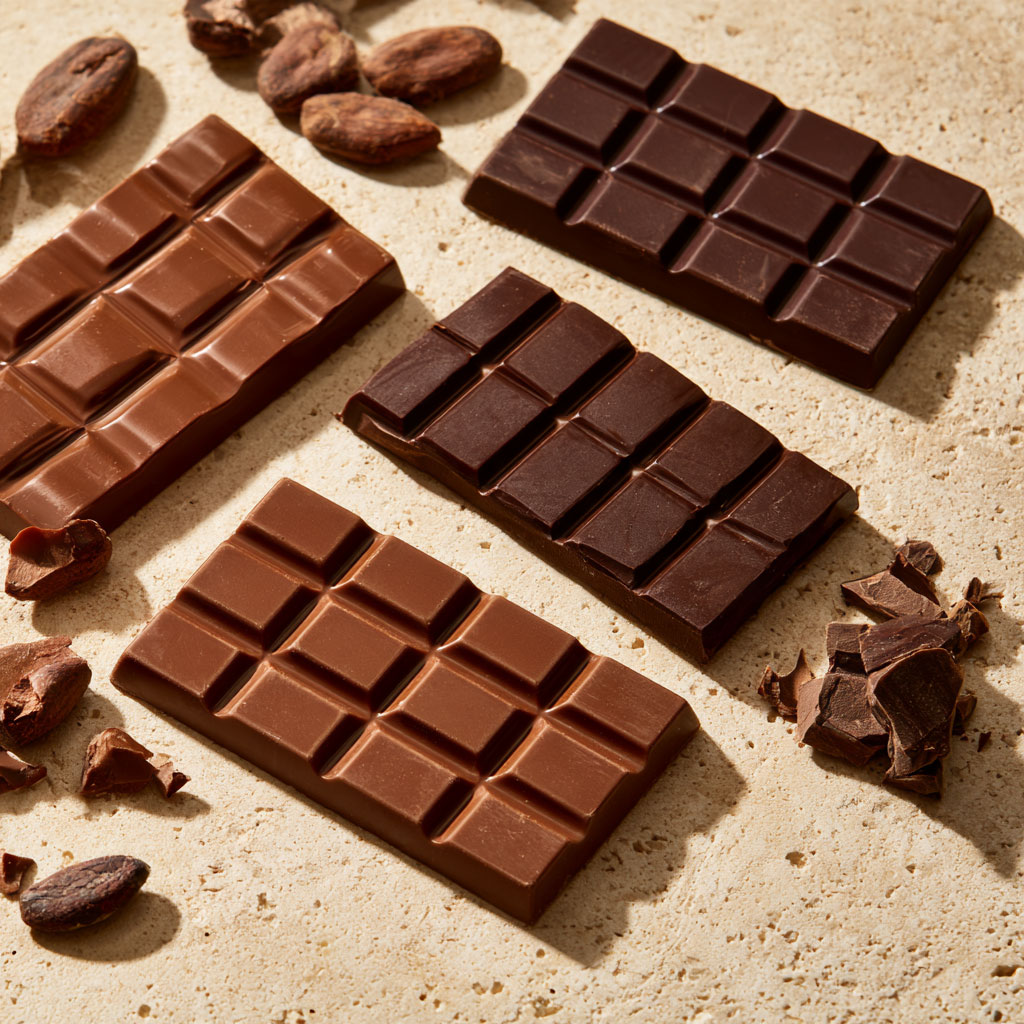
A carefully made 60% chocolate can taste far better than a poorly made 85% bar. “Better” also comes down to personal taste. Some people enjoy dark, bitter flavours, while others prefer something creamy and sweet.
Cocoa percentage is useful information, but it is not a quality score.

Verdict: Yes, it is real chocolate
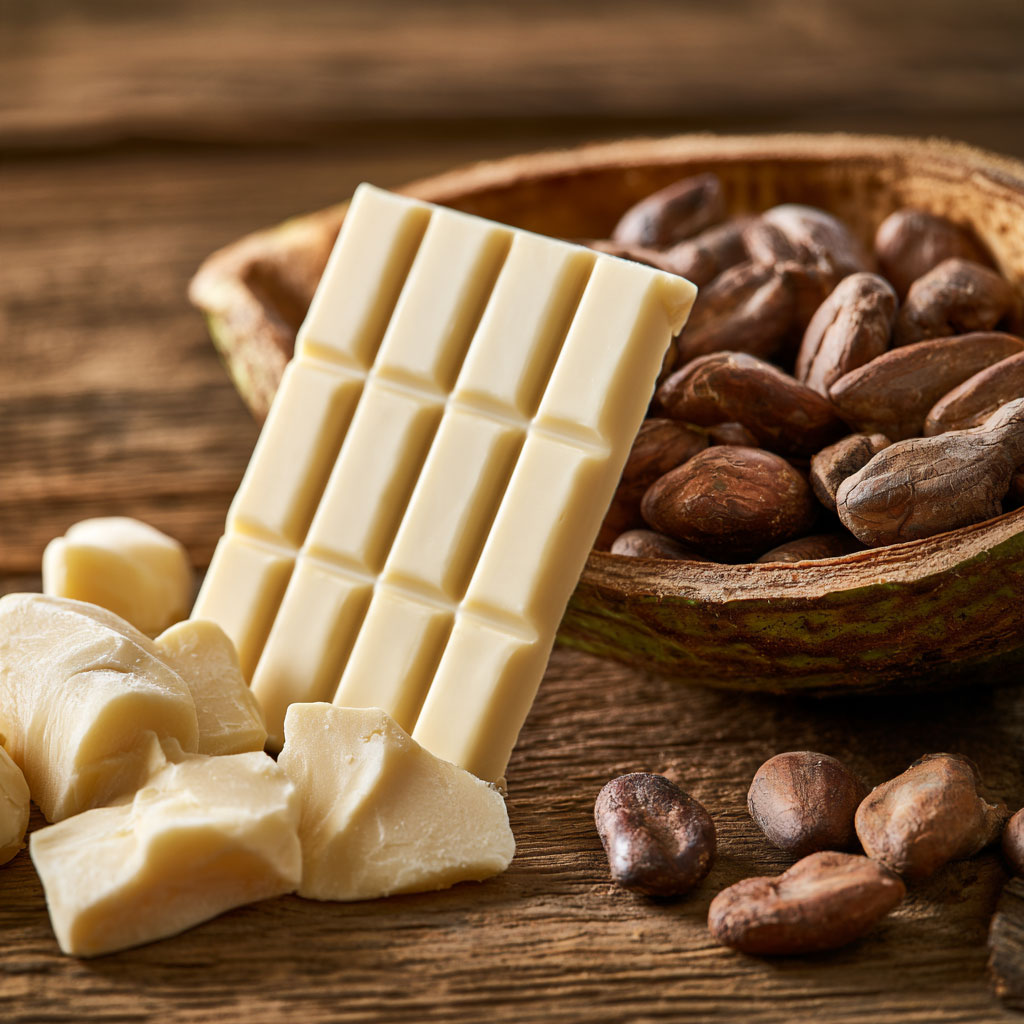
White chocolate contains cocoa butter, which comes from the cacao bean. It usually also contains sugar, milk ingredients and flavouring such as vanilla.
It does not contain cocoa solids. These are responsible for the familiar brown colour and much of the characteristic flavour found in milk and dark chocolate.
White chocolate is legally recognised as a type of chocolate when it meets the required composition standards. It may differ greatly from dark chocolate, but calling it fake chocolate is unfair.

Verdict: Myth
Raw cacao beans are not naturally sweet. Their flavour can be bitter, acidic and astringent.
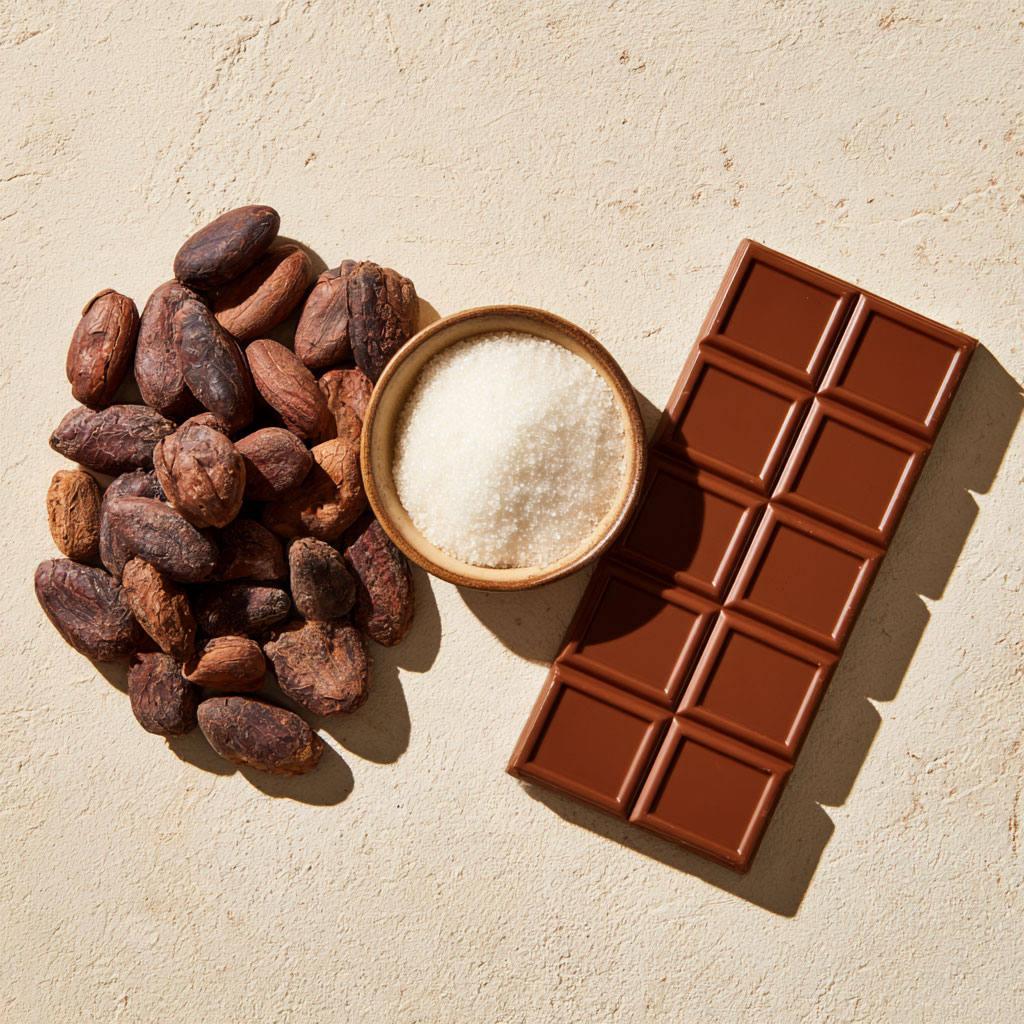
The taste develops during fermentation, drying and roasting. Sugar and, in the case of milk chocolate, milk ingredients are then added during manufacturing.
For much of chocolate’s history, people consumed it as a bitter drink rather than a sweet solid bar. The sweet chocolate we know today is a comparatively modern creation.

Verdict: Fact
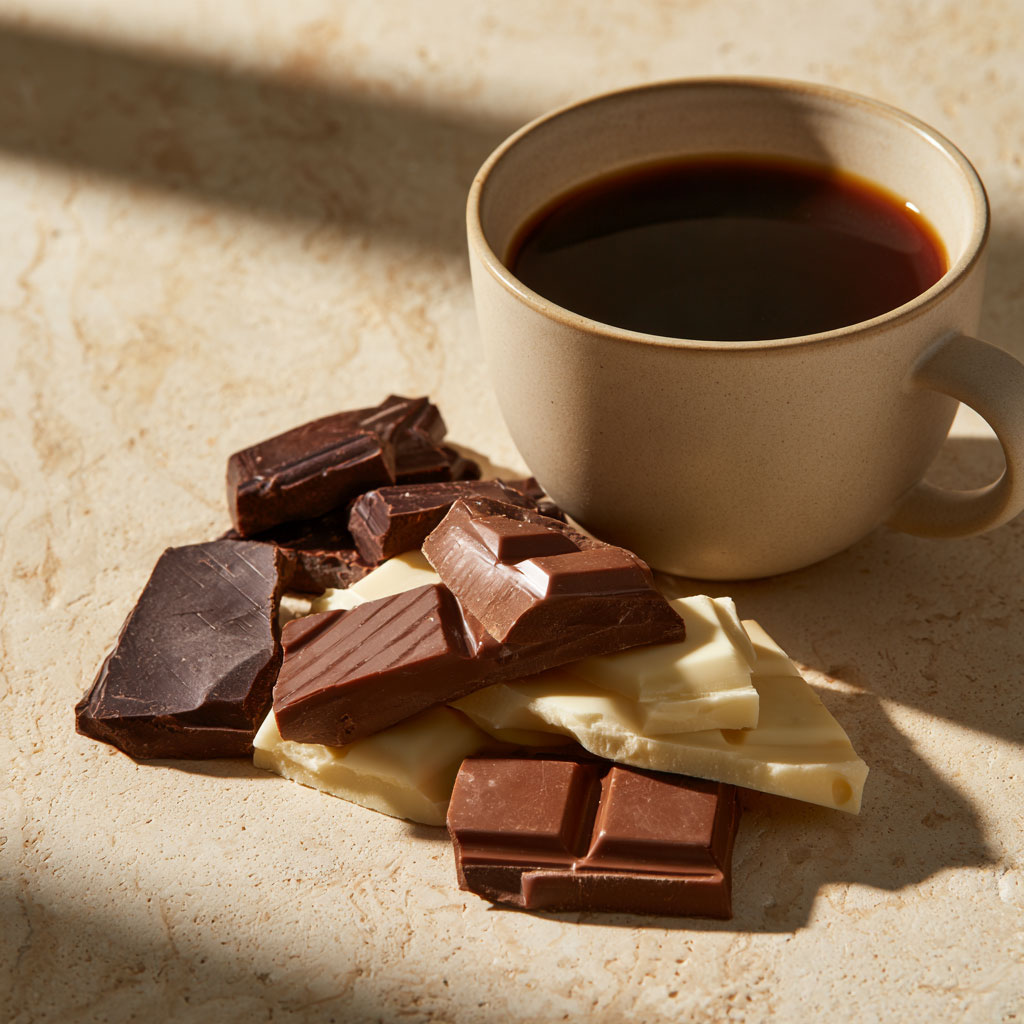
Cocoa naturally contains caffeine, although the amount is normally much lower than you would find in coffee.
Dark chocolate generally contains more caffeine than milk chocolate because it contains more cocoa solids. White chocolate contains very little because it is made with cocoa butter rather than cocoa solids.
Chocolate also contains theobromine, a related stimulant with a gentler, longer-lasting effect than caffeine.
A few squares of chocolate are unlikely to affect most adults dramatically. Someone who is particularly sensitive to caffeine may notice the effect, especially after eating a large amount of dark chocolate late in the evening.

Verdict: Usually a myth
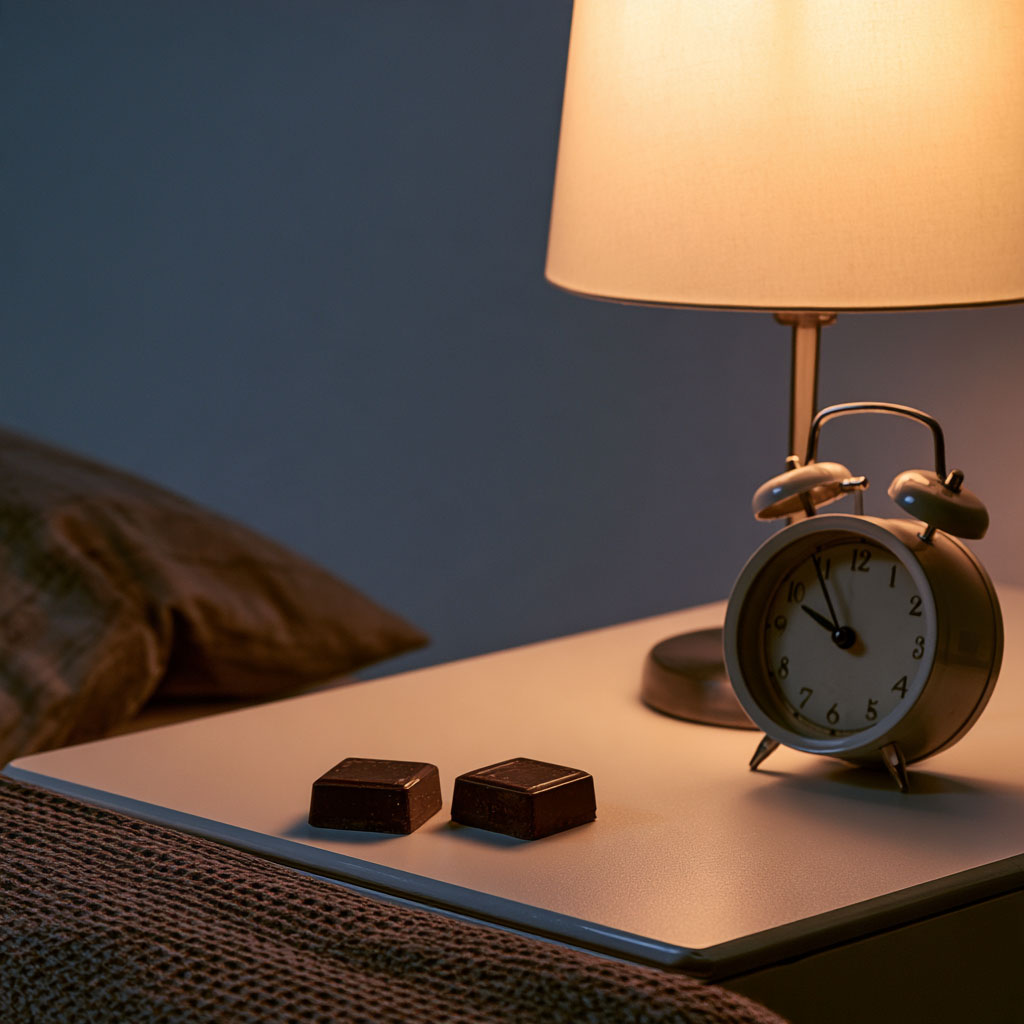
This claim grew from the genuine fact that chocolate contains caffeine and theobromine.
The amount in a normal portion is rarely comparable to a strong cup of coffee. However, the quantity and type of chocolate matter. A large portion of very dark chocolate contains more stimulants than a small piece of milk chocolate.
For most people, a little chocolate after dinner won't cause a sleepless night. People who are highly sensitive to caffeine may prefer to avoid large amounts close to bedtime.

Verdict: Fact, with some context
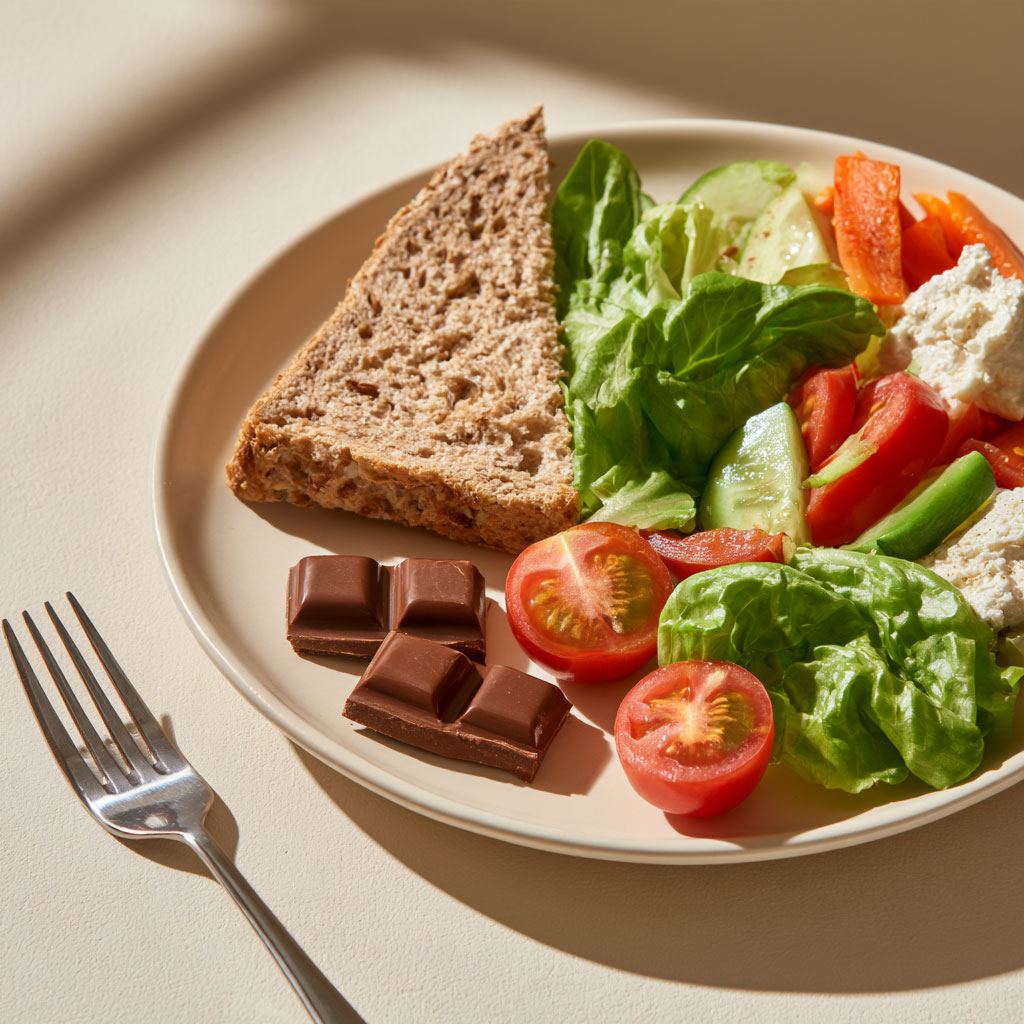
Chocolate supplies energy because it contains calories from sugar and fat. The caffeine and theobromine in cocoa may also create a mild stimulating effect.
Sugary chocolate can provide a quick lift, but it may be followed by an energy drop as blood sugar levels change. It does not provide the same sustained energy or nutrition as a balanced meal containing protein, fibre and complex carbohydrates.
Chocolate can give you energy. It simply is not the best substitute for lunch.

Verdict: Partly true
Many people genuinely feel better after eating chocolate. The flavour, sweetness, aroma and smooth texture make it a pleasurable food. Chocolate is also associated with celebrations, gifts, childhood treats and comforting moments.
Chocolate contains several compounds linked to mood, but there is not enough of them in a few squares to produce anything close to a natural high.
Most of the pleasure is far less mysterious. Chocolate tastes good, melts beautifully and often brings back memories of treats, gifts and celebrations. That alone can lift your mood.

Verdict: Myth
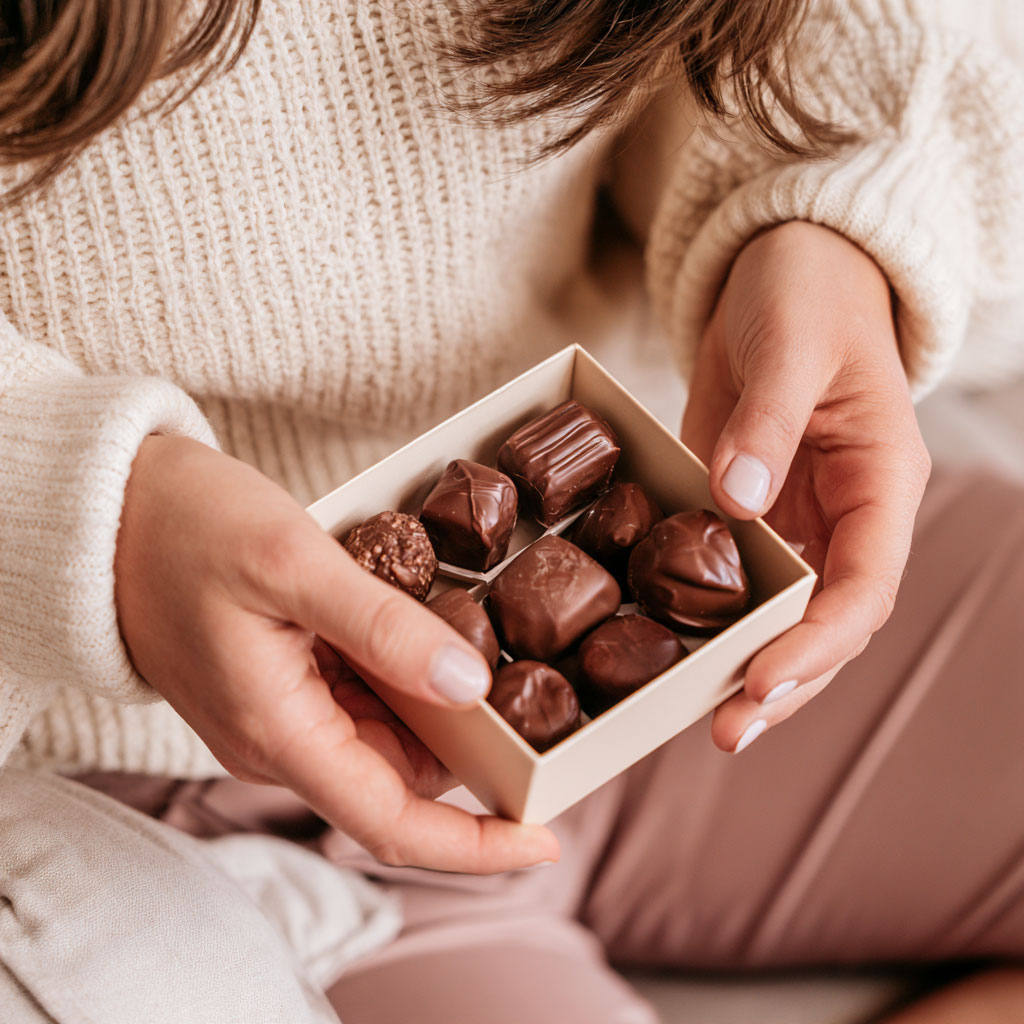
Chocolate has been associated with romance for centuries. Beautiful packaging, Valentine’s gifts and luxurious desserts have only strengthened the connection.
Despite its romantic reputation, chocolate has never been shown to boost sexual desire. It may taste indulgent and make us feel good, but that does not make it an aphrodisiac.
Sharing a delicious box of chocolates in a romantic setting may help create the right atmosphere. That is not quite the same as chocolate being a love potion.

Verdict: Mostly a myth
People can experience strong chocolate cravings, but this is not generally considered the same as a clinical addiction.
Chocolate combines sugar, fat, aroma and a melt-in-the-mouth texture in a way that the brain finds highly rewarding. It is also often connected with habits. Someone might always eat chocolate while watching television or reach for it when feeling stressed.
These patterns can make chocolate difficult to resist without meaning the person is chemically addicted to cocoa.
Verdict: Sometimes, but not for everyone
Some people report chocolate as a migraine trigger. Chocolate contains caffeine and naturally occurring compounds that may trigger attacks in susceptible people.
The relationship is more complicated than it first appears. Food cravings can occur during the early stages of a migraine, before the pain begins. Someone may crave and eat chocolate shortly before an attack and understandably conclude that the chocolate caused it.
Chocolate may be a genuine personal trigger, but it is not a universal cause of migraines. Keeping a diary of food, sleep, stress and symptoms is more useful than removing chocolate based on a general claim.

Verdict: Usually a myth
The pale, dusty or streaky coating that sometimes appears on chocolate is normally called bloom.
There are two main types:
Bloom can make chocolate look dull and affect its smooth texture or satisfying snap. It does not usually make the chocolate unsafe to eat.
Discard chocolate with an unusual smell, damaged packaging or genuinely fuzzy mould. An ordinary pale bloom is generally a quality issue rather than a safety problem.
Verdict: Usually no
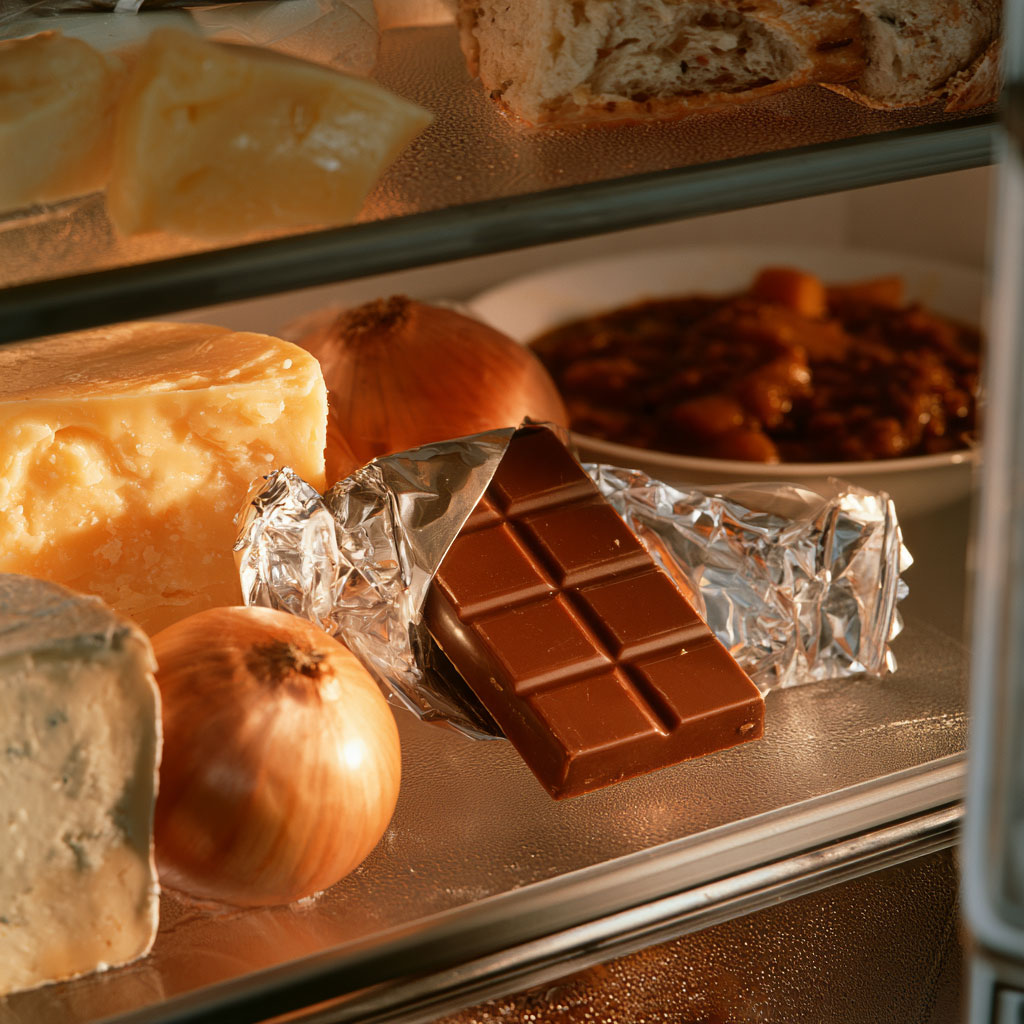
Chocolate prefers a cool, dry and dark place with a stable temperature.
A refrigerator is cold, but it is also humid and filled with food aromas. Chocolate can absorb those smells, while condensation can produce sugar bloom. Repeatedly moving a bar between cold and warm conditions can also affect its appearance and texture.
If the weather is hot enough to melt your chocolate, the fridge is the sensible choice. Keep it in a sealed container, then let it warm up before unwrapping. This helps prevent moisture from settling on the chocolate.
For most of the year in the UK, a cool cupboard away from sunlight and heat is a better home for chocolate.

Verdict: Myth
Chocolate has a relatively long shelf life because it contains very little water, making it difficult for microorganisms to grow.
It does not last indefinitely. Its flavour can become stale, fats can turn rancid and fillings can deteriorate. Milk and white chocolate usually decline faster than dark chocolate because of their milk content. Fresh cream truffles and other filled chocolates have a much shorter life than a plain solid bar.
Most chocolate carries a best-before date rather than a use-by date. A best-before date relates primarily to quality. Chocolate may still be edible afterwards if it has been stored properly, but it might not taste as good as it once did.
Verdict: Myth
Dark chocolate is often made from cocoa solids, cocoa butter and sugar, all of which are plant-based.
However, some dark chocolate recipes include milk fat, milk powder, whey or other dairy ingredients. Products made on shared equipment may also carry a warning that they could contain traces of milk.
A dark colour or high cocoa percentage does not guarantee that a product is vegan. The ingredient list and allergen information provide a much more reliable answer.
Verdict: Yes
Milk chocolate contains cocoa solids, so it still provides some of the compounds naturally present in cocoa.
It generally contains less cocoa and more sugar and milk than dark chocolate. As a result, each portion usually contains fewer cocoa flavanols and minerals.
Milk chocolate should not be presented as a major source of nutrients, but it is equally inaccurate to say that it contains nothing from the cacao bean.

Verdict: Partly true
The sugar in many chocolate products can contribute to tooth decay. Bacteria in the mouth use sugar to produce acids that attack tooth enamel.
Chocolate itself is not uniquely damaging. The amount of sugar, how often you eat it and your dental hygiene all matter. Constantly snacking on sugary food throughout the day exposes the teeth more frequently than eating a small amount with a meal.
Plain chocolate also melts and clears from the mouth relatively quickly. Sticky sweets that cling to the teeth may expose them to sugar for longer.
This isn't permission to replace toothpaste with a chocolate bar, but chocolate isn't necessarily the worst sweet for your teeth.
Verdict: Myth
Taking out the sugar does not make the fat or calories disappear. To keep the chocolate sweet, manufacturers usually replace it with sweeteners such as maltitol or sorbitol. Eat too much and you may end up with bloating, wind or an urgent trip to the loo.
Sugar-free chocolate can be useful if you are cutting down on sugar, but that does not make it the healthier option by default. Check what has replaced the sugar and compare the nutritional information with an ordinary bar.
Verdict: Mostly a myth
Cocoa and cacao come from the same plant: Theobroma cacao.
“Cacao” is often used when talking about the plant, beans, nibs or products marketed as less processed. “Cocoa” commonly describes roasted and processed products such as cocoa powder.
No universal rule applies to every manufacturer. A product labelled cacao powder is not automatically raw, healthier or nutritionally different from one labelled cocoa powder.
The processing method and ingredients tell you more than the choice between these two words.
Verdict: Not always
A higher cocoa percentage often means less sugar, which can make the chocolate taste stronger and more bitter. But the number on the wrapper only tells part of the story.
The cacao variety, growing region, fermentation and roasting can produce fruity, nutty, earthy, floral or acidic notes. Added cocoa butter can also change the texture and intensity without lowering the overall cocoa percentage.
Two bars labelled 70% can taste remarkably different. One might be smooth and fruity, while the other is smoky and intensely bitter.
Verdict: Myth
For most of its history, chocolate was a drink.
Cultures in Mesoamerica consumed early cacao beverages, often bitter, spiced or fermented. Europeans later added ingredients such as sugar and milk.
The first recognisable solid chocolate bars appeared during the 19th century, after developments in cocoa processing made it possible to create a smooth, mouldable product.
The chocolate bar may feel timeless, but it is a relatively recent chapter in a much longer story.
Verdict: Fact
Cacao beans were highly valued in parts of pre-Columbian Mesoamerica and served as currency.
Historical accounts describe people exchanging beans for food and other goods. Cacao was also used ceremonially and consumed as a prestigious drink.
Long before people bought chocolate with money, they could effectively use chocolate to buy something else.
Verdict: Fact
This is one chocolate warning that should always be taken seriously.
Chocolate contains theobromine and caffeine. Humans can process these substances much more effectively than dogs can. In dogs, they can build up and affect the heart, nervous system and digestive system.
Cocoa powder, baking chocolate and dark chocolate are particularly dangerous because they contain higher concentrations. The risk depends on the dog’s weight, the type of chocolate and the amount eaten.
Possible symptoms include vomiting, restlessness, a rapid heartbeat, tremors and seizures. If a dog eats chocolate, contact a vet promptly rather than waiting for symptoms.

Verdict: Myth
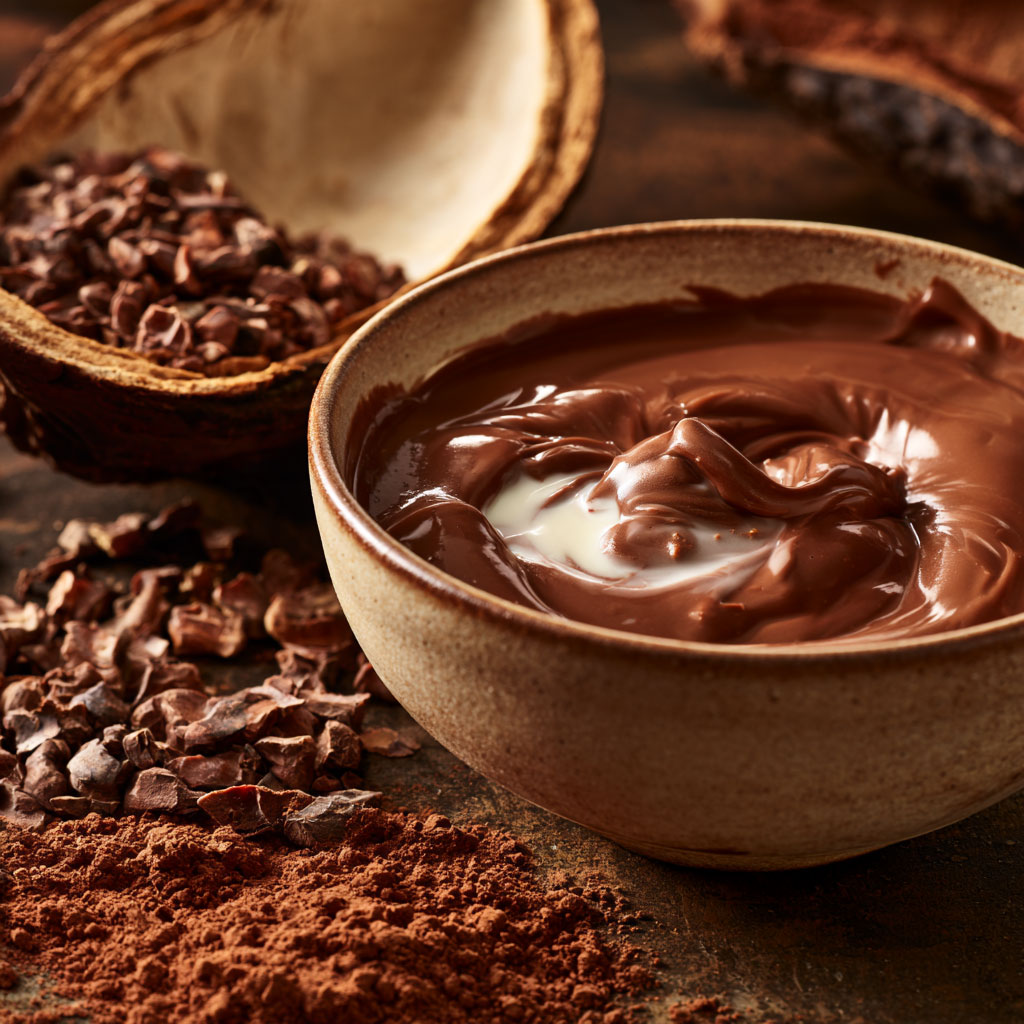
Most chocolate begins with cacao pods, but the choices made at every stage can change the finished flavour.
After harvesting, the beans are fermented and dried. They are then cleaned, roasted and separated from their shells. The inner nibs are ground to produce cocoa mass, sometimes called cocoa liquor even though it contains no alcohol.
Manufacturers then combine cocoa ingredients with sugar and, depending on the recipe, milk and other ingredients. Refining reduces the particle size, while conching develops the texture and flavour. Finally, tempering controls the cocoa butter crystals, giving properly made chocolate its shine and clean snap.
Differences in fermentation, roasting, recipes, conching and tempering explain why one chocolate can taste smooth and fruity while another tastes bitter or flat.

Chocolate is neither a miracle health food nor the cause of every spot, headache and sleepless night.
It contains some interesting natural compounds. It can lift your mood, provide a quick source of energy and form part of a balanced diet. It also tends to contain sugar and saturated fat, so calling it a medicine stretches the evidence.
Really, chocolate can just be chocolate. Buy the kind you look forward to eating, find it a cool spot in the cupboard and make sure the dog cannot reach it.