pixel

Open daily | Book in advance to secure your place

What is a Cacao Ceremony? A Guide to the Ancient Ritual

Namaste, chocolate lovers! If you’re at all interested in the world of chocolate or invested in mindfulness, yoga and meditation, you’ve probably heard of modern cacao ceremonies. Exploding in popularity, these rituals have been popping up all over. You may be wondering what they are. Well, this cacao ceremony guide will explain the history of this spiritual practice, the cacao ceremony benefits, what happens during a cacao ceremony and how to have your own cacao ritual using ceremonial grade cacao. Take a deep breath…and read on.

What is a Cacao Ceremony?

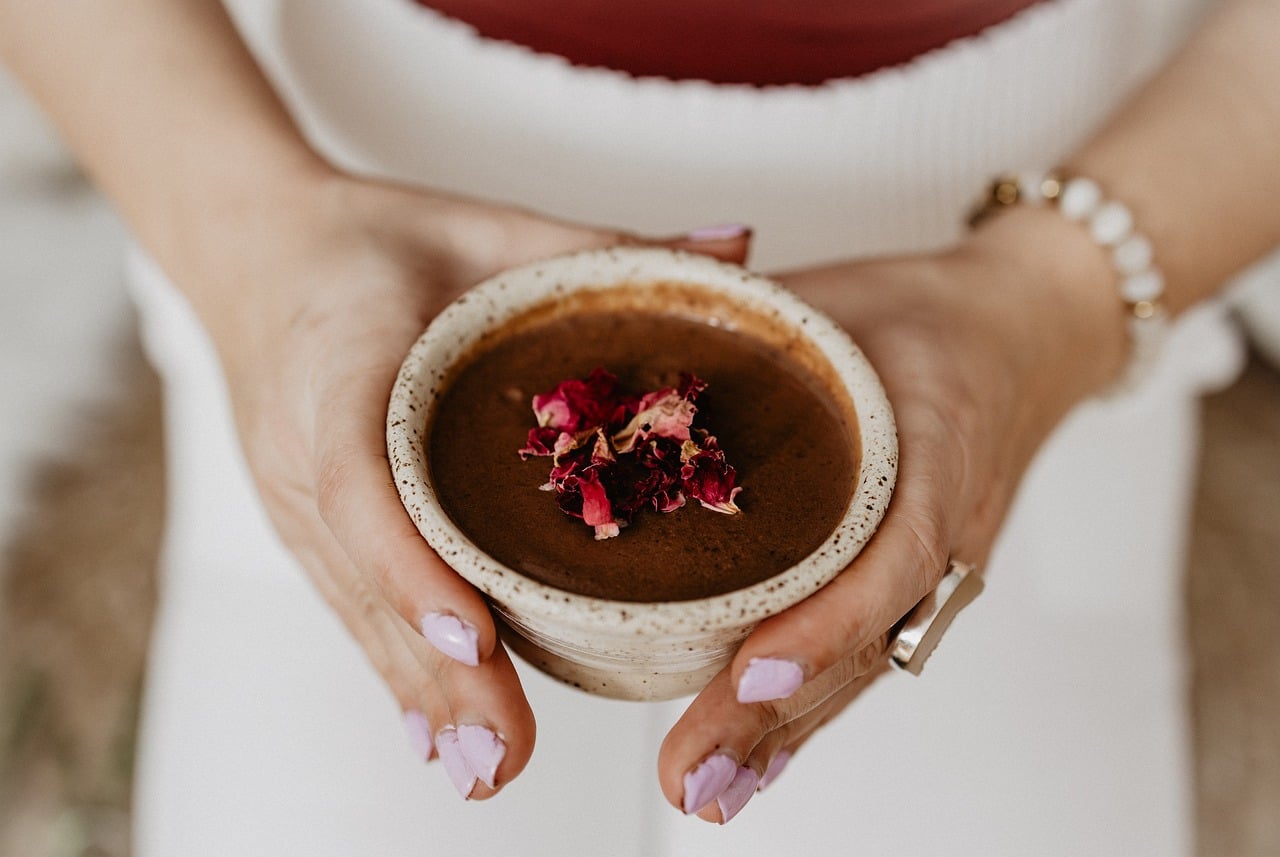
Mug of cacao for ceremony

A cacao ceremony is a group ritual in which people meet to share their intentions, take part in mindfulness techniques like meditation or breath exercises, or discuss inner thoughts and concerns. All of this is done following the mindful preparation and drinking of ceremonial cacao, a warm cacao beverage not unlike hot chocolate.

Cacao is finely ground cacao beans (or cacao nibs), the same material we use to make chocolate. The beans come from the cacao tree (Theobroma cacao), which has been cultivated for thousands of years. Usually, a warm drink is made for every member of the group and each puts their intentions at the front of their mind while they consume the beverage. This is to help them connect with themselves and others.

Will a bar of your favourite chocolate work? Well, yes and no. Most rituals use ceremonial-grade cacao made from 100% pure cacao, which is very different from a bar of chocolate.

Ceremonial-grade cacao is usually high-quality raw cacao without any sweeteners, meaning it’ll taste very bitter. You can use 100% chocolate, but many cacao rituals use cacao paste (also known as cacao liquor), which is somewhere between unground cacao nibs and chocolate.

If you find dark chocolate too much, then try your favourite brand in your own ceremony. Not everyone needs to use expensive ceremonial-grade cacao, and it may pose an obstacle to some people getting involved. Do what works best for you, and know nobody will judge you for spending time on yourself.


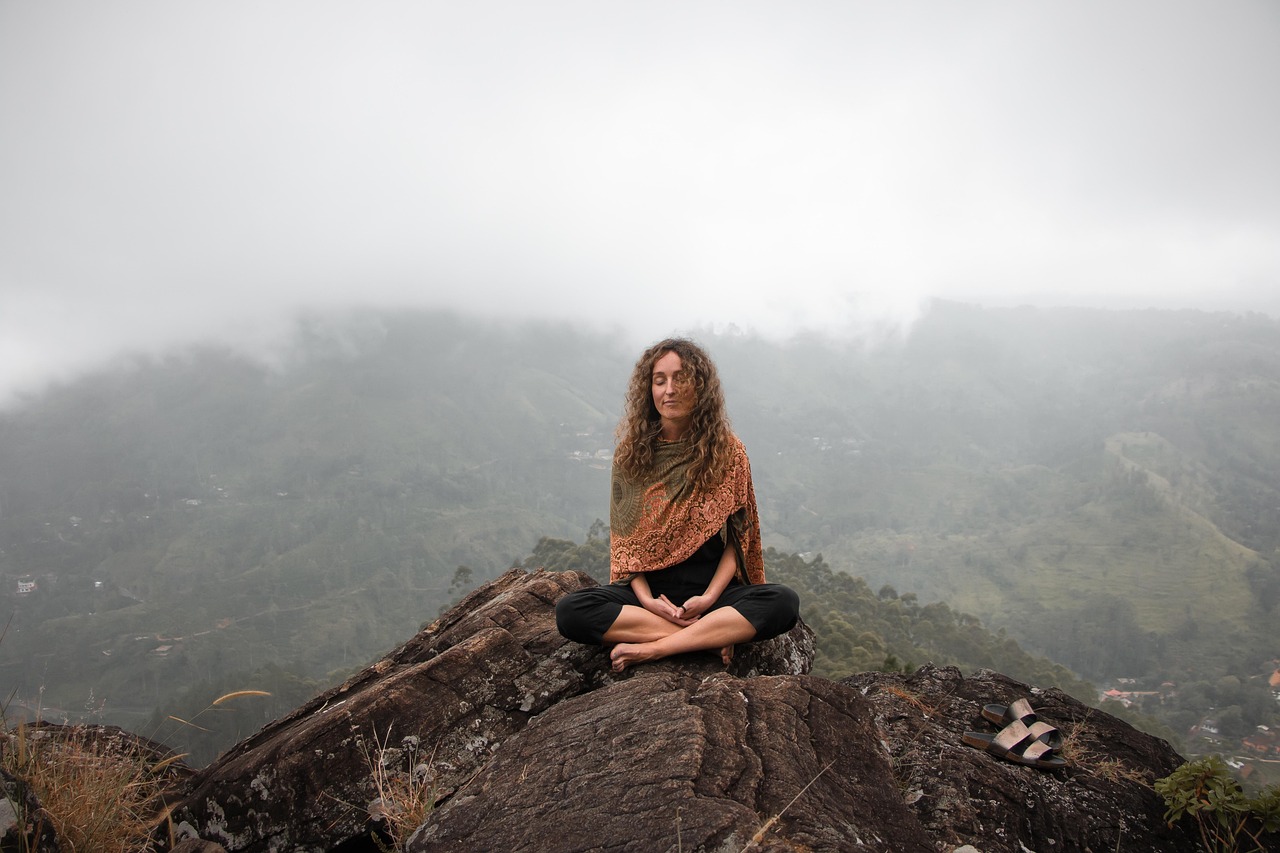
Meditation on a mountain

The History and Cultural Significance of Cacao Ceremonies

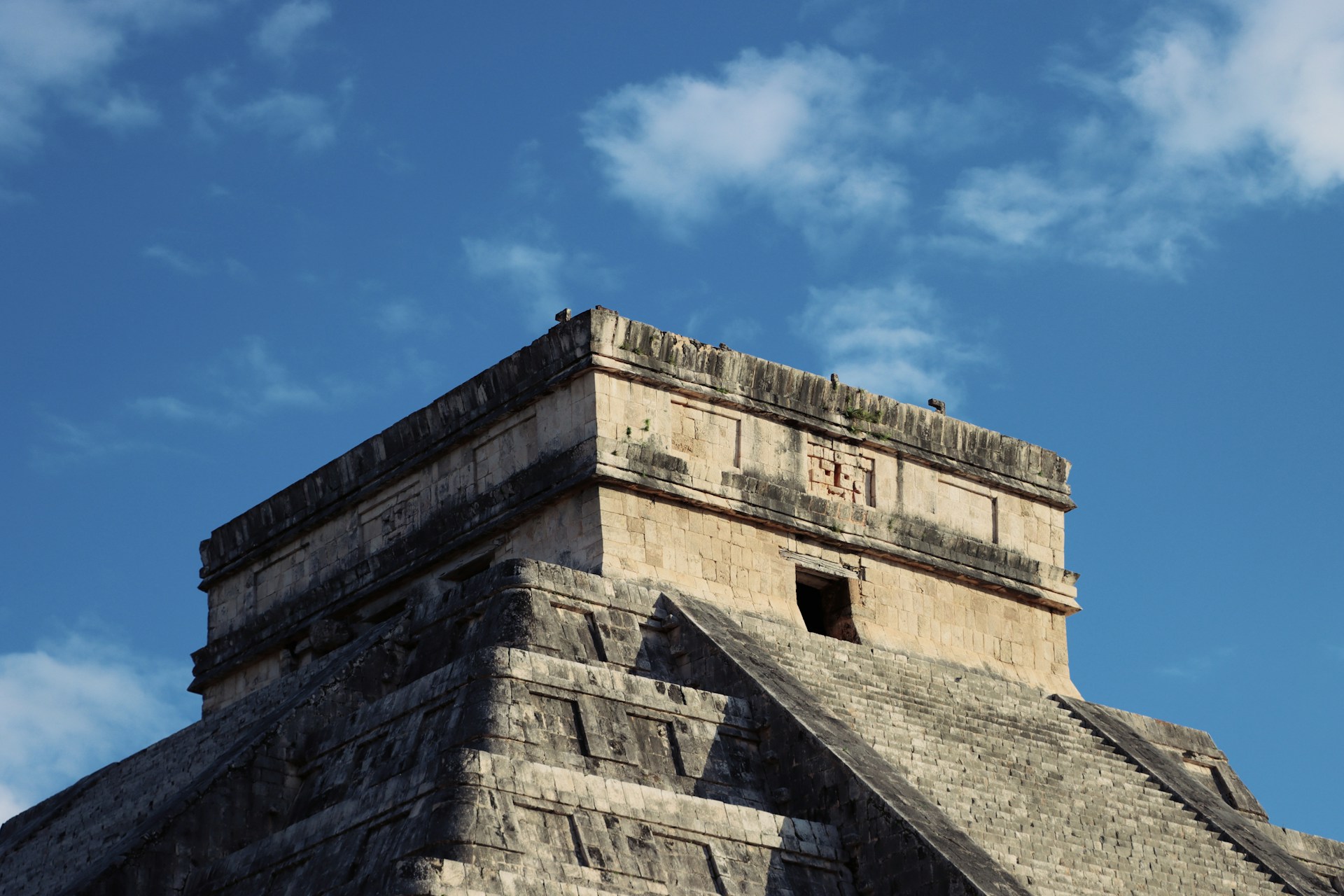
Top of an Aztec temple

Cacao ceremonies have been around since early civilisations. Theobroma cacao, the cacao tree, literally translates to “food of the gods” and was given this name because the Maya and Aztec people who cultivated the cacao plant revered it in a religious sense. The Aztecs in particular believed it was given to them as a gift from their god Quetzalcoatl, hence they gave back through religious ceremonies and rituals.

They drank a beverage called xocolatl and would feed it to kings, priests, nobles and those about to be sacrificed to the gods. Gulp! This early cacao beverage was regarded so highly that it was used as a divine currency, and cacao beans could be traded for food or used to pay taxes.

With a history like that, modern cacao ceremonies are simply a contemporary way to celebrate cacao and practise mindfulness, not unlike the ancient rituals of Mesoamerican cultures in Central America. Today, many ceremonies also encourage meditation and creating a sacred space for reflection and connection.

How to perform your own Cacao Ceremony?

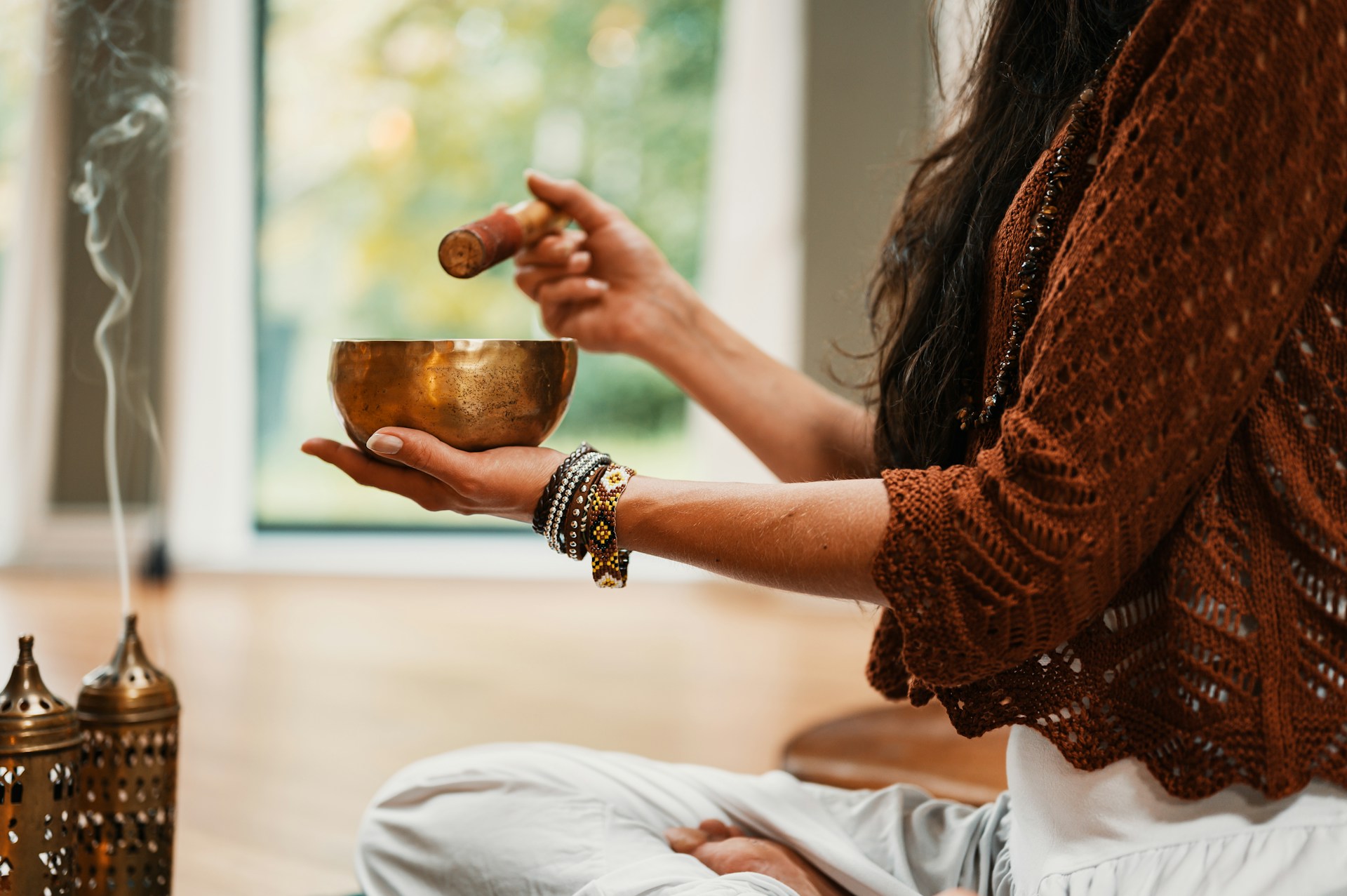
Meditating with a prayer bowl

Every cacao ceremony is different, and what every individual brings to their spiritual practice will be different. Some people perform cacao ceremonies as a place to empty their thoughts and feelings with groups, to clear their minds, while others prefer peaceful solo meditation.

In group settings, breath work can be utilised after consuming the drink, allowing participants to spend time with themselves. Other groups may perform some light yoga to loosen up the body and joints, while others may use group discussion following prompts from a ritual leader. Regardless, wear something comfortable, approach the ceremony with an open mind and help create a sacred space where everyone feels comfortable sharing if they wish.

If performing a solo cacao ceremony, find somewhere comfortable and quiet to sit, maybe play some calming music, or sit in silence and focus on your breathing after consuming the cacao. Take a few deep breaths, and consider what you would like out of the practice. Whether you’re seeking healing, a deeper spiritual connection, or simply a moment of mindfulness, spend time with your thoughts or focus on your breathing. There are many successful ways to embrace the cacao experience.

Some ceremonies also include gentle movement, chanting or even ecstatic dance, although there is no right or wrong way to take part.

The Spiritual and Health Benefits of Cacao Ceremonies

Doctor

Nowadays, with the stresses of modern life; jobs, family duties, financial concerns, etc., many people struggle with their mental health. Cacao ceremonies give us the chance to sit with our thoughts, break them down into easily digested pieces and help us to reconnect with ourselves. Whatever the reason for taking part in a cacao ceremony, whether you’re looking for healing, greater spiritual insight or simply a moment of mindfulness, using chocolate helps elevate your practice (and gives you a better appreciation for cacao and chocolate overall).

Scientifically, cacao has many health benefits which lend themselves to the peaceful nature of the cacao ritual. For instance, cacao contains theobromine, a naturally occurring compound that supports cardiovascular health and acts as a potent antioxidant to help protect your cells. Some people also believe that ceremonial cacao can promote a feeling of openness and spiritual connection, although experiences vary from person to person. Besides that, theobromine is often associated with feelings of openness through the dilation of blood vessels and stimulation of the heart.

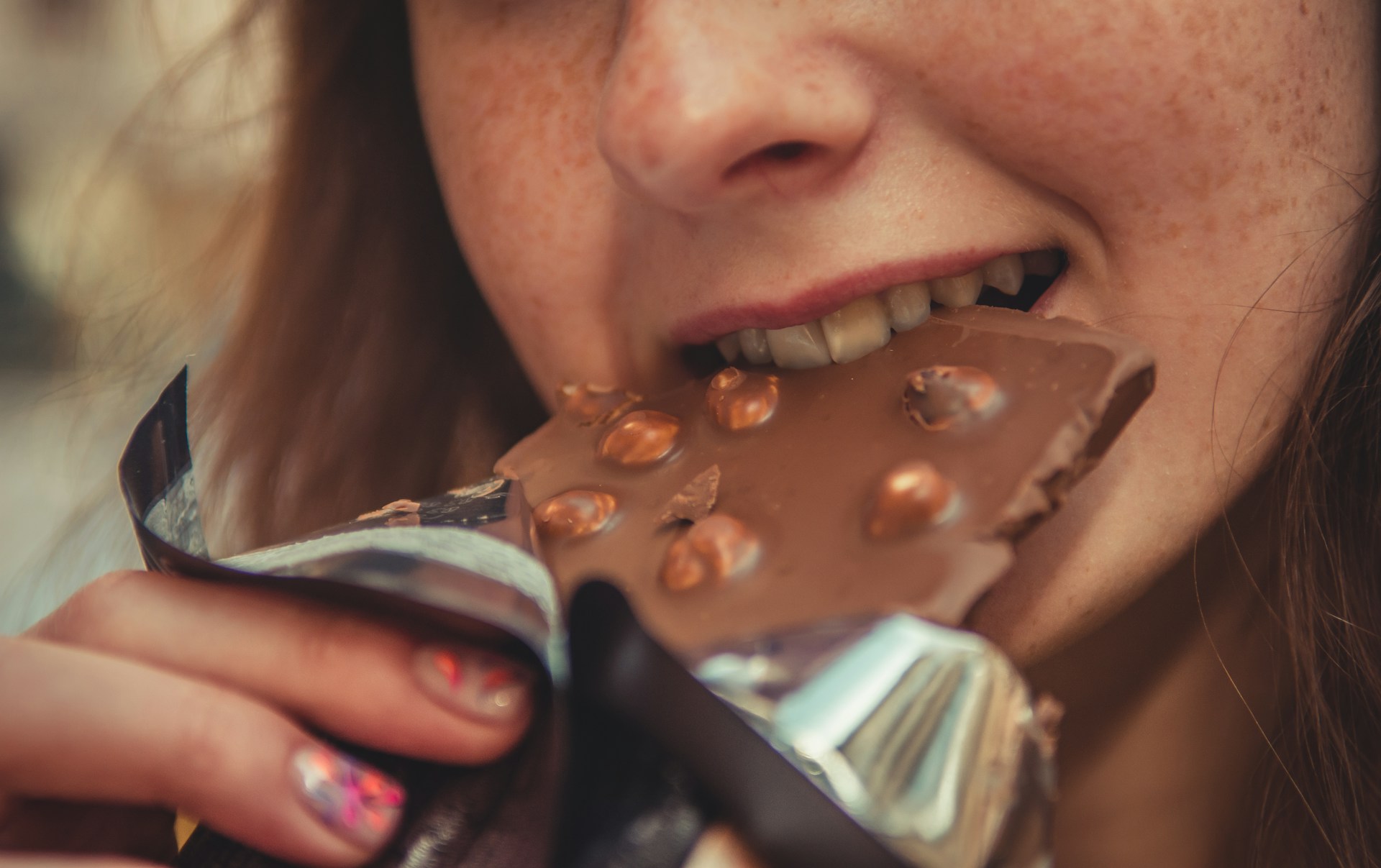
Smiling eating a chocolate bar

Cacao also contains various other naturally occurring compounds such as serotonin, anandamide and magnesium. Serotonin is known as a ‘happy chemical’ thanks to the mood-boosting effect it has in our bodies by increasing dopamine. Anandamide can produce a feeling of euphoria and magnesium is used to calm the body and nervous system. All in all, these effects lend themselves well to the grounding nature of mindfulness, helping many participants deepen their practice and making the overall cacao experience more fulfilling.

Plus, who doesn’t love the taste of chocolate? If chocolate already brings you comfort and joy, including it in a cacao ritual can help you relax and enjoy a moment of mindfulness, whether you’re taking part in a group ceremony or your own personal ritual at home.

What is ceremonial grade cacao?

Ceremonial grade cacao is made from high-quality, minimally processed cacao beans with no added sugar or dairy. It is often prepared as a rich cacao beverage using cacao paste or cacao liquor, allowing you to experience the natural flavour of 100% pure cacao. Different producers may have their own standards, so there is no single official definition of ceremonial grade cacao.

Can I use regular chocolate instead of ceremonial cacao?

Yes. While many people prefer ceremonial grade cacao, you don't have to buy expensive products to enjoy a cacao ritual. If you don't like the bitterness of pure cacao, you can use your favourite dark chocolate or make a warm cocoa drink instead. The most important part of the experience is taking time for yourself, not the type of chocolate you choose.

How much ceremonial cacao should I drink?

There is no single ceremonial dose that suits everyone. Many people start with around 20 to 40 grams of ceremonial cacao, while experienced participants may choose a larger amount. If you're new to drinking cacao, begin with a smaller serving and see how your body responds. Always follow the recommendations provided by the cacao supplier.

Where does the tradition of cacao ceremonies come from?

Modern cacao ceremonies are inspired by ancient traditions from Mesoamerican cultures in Central America, where cacao was considered a sacred plant and played an important role in rituals and celebrations. Today's ceremonies vary widely but often combine drinking cacao with meditation, breathwork or mindfulness to encourage reflection and connection.

Where can I buy ceremonial cacao?

You can buy ceremonial cacao from specialist cacao suppliers, many health food shops and reputable online retailers. Choose a product that contains 100% pure cacao with no added ingredients and check that the supplier provides information about its sourcing and production. Since "ceremonial grade" isn't an official certification, buying from a trusted retailer is more important than the label itself.

Do I need anything special for a cacao ceremony?

No. A simple cacao ceremony can be done at home with just ceremonial cacao, hot water and a mug. Optional extras such as cinnamon, honey, candles, relaxing music or a journal can help create a calming atmosphere, but they aren't essential. The focus is on mindfulness and intention rather than having lots of equipment.

Continue your chocolate journey

If learning about cacao ceremonies has sparked your curiosity, why not discover more about the fascinating world of chocolate? From ancient cacao traditions to modern chocolate making, our tours take you on a delicious journey through chocolate's incredible history.
Top 10 Dessert Inspired Chocolates
Favourite Childhood Chocolate Bars
How The Chocolatarium Reduces, Reuses and Recycles Plastic
What is a Cacao Ceremony A Guide to the Ancient Ritual
How to host a chocolate tasting party
Our Team Picks The Best Chocolate Ice Creams in Edinburgh Banner Image
Best Summer Chocolate Flavours
Chocolatarium World Cup 2026™: Sweet Stories from the Qualified Nations
Father’s Day Gift Ideas in Scotland
The Health Benefits of Dark Chocolate Myth or Reality