We all love chocolate, and we all like to be healthy. But are the two mutually exclusive? You may have heard about the rumoured health benefits of dark chocolate. These conversations are whispered between chocolate lovers, almost afraid to ask the question aloud lest we be told it’s not.
Is chocolate a healthy treat, the nectar of the gods, full of nutrients and health benefits? Or is it snake oil, and have we been sold a lie about the health benefits of dark chocolate? Join us as we delve into this topic to uncover the truth.
What is healthy vs unhealthy?
So, what is ‘healthy’? It’s a word often bandied around with a different meaning to everyone. Usually, healthy implies food is low in sugar, salt, calories and fats, while high in nutrients, antioxidants and other positive chemicals. Healthy isn’t cut and dry, think of it as more of a sliding scale. Every type of fruit and vegetable we eat will have a different health profile and offer something different on this spectrum.
It can be quite complicated, but the main things to watch out for in unhealthy food are high salt, fat, calories and sugars, as well as lacking nutrient density and variety. So, spare our feelings, are we saying dark chocolate is unhealthy?
Not quite. First, let’s investigate what actually goes into dark chocolate and discern if these composite elements add up to good health.
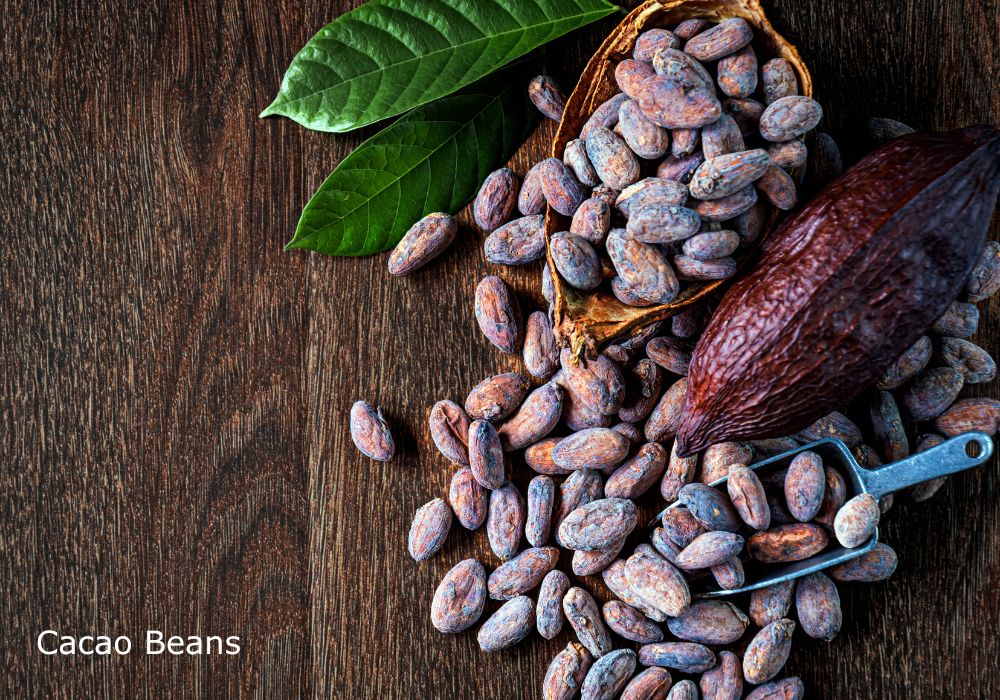
Chocolate is the seeds of the cacao fruit. Rejoice, chocolate lovers! Chocolate is a fruit and fruit is healthy! Right? Well, sort of. Seeds are relatively healthy across the board, with those of other plants like pumpkin and poppy seeds boasting large varieties of nutrient density. However, we cannot eat cacao seeds at their source. Doing so would lead to stomach discomfort as your body would struggle to break them down. Through the various processes we put the beans through to get to chocolate, from fermentation to drying, roasting to grinding, we get to the edible heart of the matter.
A cacao bean has two parts: the cacao nib, a dense dark inner part, and the cacao husk, a papery layer on the outside. The cacao husk can be used to brew tea, and this is another rich source of antioxidants. Cacao nibs are celebrated the world over for their health profile, with many people enjoying them in their porridge and smoothies. They are bitter but with a deep chocolatey taste, and are chock full of helpful plant compounds.
What makes cacao healthy?
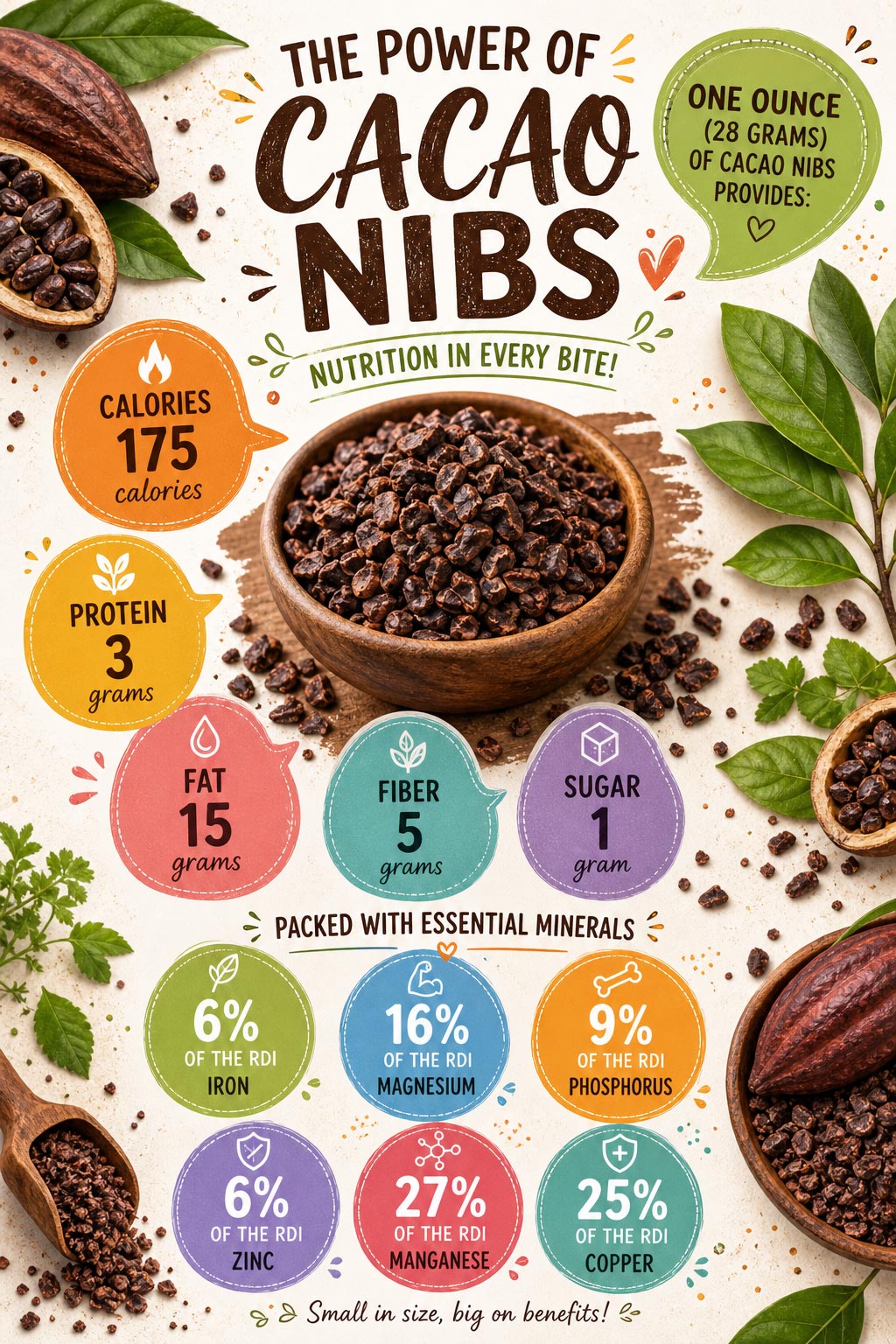
Here is a sample of the nutrients found in about 28 grams of cacao nibs and the percentage of your RDI, Recommended Daily Intake, of each:
- Copper: 25%
- Manganese: 27%
- Iron: 6%
- Fibre: 16%
- Zinc: 6%
- Phosphorus: 9%
- Magnesium: 16%
And more trace components, all of which are necessary for a healthy diet. Magnesium, for example, is necessary for healthy bones, whereas copper and iron are essential for producing red blood cells to ensure stellar oxygen delivery across the body. Theobromine, found in both cacao husk tea and chocolate, is known to create feelings of elation and is a chemical similarly found in green tea, considered a very healthy beverage.
As well as the dense nutrient profile, cacao nibs are a rich source of antioxidants. Research has discovered antioxidants potentially play a role in preventing certain diseases, such as Alzheimer’s, heart disease and specific cancers. A diet high in antioxidants can reduce your likelihood of developing these diseases. Likewise, antioxidants reduce inflammation and improve your immune health. Cacao nibs are a powerful food you should include in your diet.
The same can be said for chocolate, right?
So, is dark chocolate healthy?
We’ve established cacao nibs are healthy, but this is the rawest form of cocoa. There are a few more stages involved in getting from raw, bitter cacao nib to the delicate smoothness of dark chocolate.
To make dark chocolate we only need two ingredients, though many manufacturers add a variation of others to improve texture, taste and shelf life: sugar and cacao nibs. Cacao nibs are ground down until they form a smooth liquid we’re more familiar with. Sugar is added in the grinding process to reduce the bitterness of chocolate.
This is where things begin to change. While sugar is ok in small doses, and important for energy levels as a fuel for the body, it is also high in calories and eating too much can lead to other health concerns. Sugar can be highly processed and can lead to a greater likelihood of developing diseases such as diabetes, especially in cases where heavily processed high-glucose corn syrup or equivalents are used.
In short, a 70% dark chocolate bar has about 30% sugar added to it. 80% dark chocolate has about 20% sugar, and so on. Therefore, the higher the percentage, the less sugar.
100% chocolate is a real thing, but not for the faint of heart. Lacking any additional sugar, this chocolate has a strong bitter taste, but if you opt to have some with fresh fruits such as strawberries or banana, or even try with some nuts, you have a much healthier snack that tackles your chocolate cravings. Two great recommendations are Willie’s 100% Cacao with Pistachio and Date dark chocolate, and the Belize Black 100% Pure Cacao from Chocolate Tree.
Or, for something sweeter but also sugar-free, try Guppy’s milk or dark sugar-free chocolate. Using maltitol as a sweetener rather than sugar, you still get your sweet kick with no refined sugar.
Processed foods and chocolate
You’ve surely heard a lot recently about processed foods and how these may lead to health issues in the future. Unfortunately, chocolate is no stranger to processed ingredients, and the inclusion of these will further affect the health benefits of dark chocolate.
Chocolate by its very definition is a processed food, due to the roasting, drying and other processes performed to get it to what we want. Not all processed foods are created equally, and processed foods can still be enjoyed as part of a healthy diet. If you’re ever in doubt, read the label on a bar of chocolate. While most emulsifiers and other additives are considered safe by the FSA, Food Standards Agency, in the UK and the EFSA, European Food Safety Authority, more research is being conducted on certain additives like carrageenan to explore possible risks.
While the research is still in the early days regarding emulsifiers like soy lecithin and xanthan gum, there have been some interesting findings. Increases in gut inflammation have been witnessed, as well as an increased risk of overall cancers. While some dark chocolates contain a lot of various processed chemicals, many others include less and the ingredient lists of all should be read to see how ‘clean’ they really are.
A good selection of dark chocolates with minimal processed ingredients are Seed and Bean’s Lavender Dark Chocolate or Willie’s Cacao’s Luscious Orange 65% Dark Chocolate. As well as this, dark chocolates can contain healthy additions, such as hazelnuts or almonds, and dark chocolate with dried fruits such as raisins and raspberries pack additional benefits. However, dried fruits are very high in fructose, another type of sugar to be aware of.

At the end of the day, processing doesn’t necessarily mean unhealthy, as certain foods sometimes need to be processed to be safe, such as milk. Even chocolate wouldn’t be chocolate without its processing stages, most of which do not impact the health profile of the bar. While there are some health benefits of dark chocolate, because of ingredients like sugar, E-numbers, processed chemicals, sweeteners and emulsifiers added throughout production, these health benefits are often imbalanced by negative ones.
Does chocolate make you happy?
When it comes to being healthy, physical health is one thing, but we cannot discount mental health, either. In short, yes. If you eat chocolate as part of a balanced diet, and it brings you joy, then we say go for it.
Certain studies show an increase in endorphins in subjects after consuming chocolate. Endorphins are known to reduce stress, improve mood and even alleviate pain. Likewise, dark chocolate contains compounds that can increase happiness. Examples include phenylethylamine, a natural antidepressant, serotonin and the aforementioned theobromine. Likewise, chocolate contains caffeine, which in itself can enhance mood.
However, we shouldn’t feel guilty for indulging in a treat every now and then, and if chocolate is consumed as part of a well-balanced diet, then you should enjoy pleasurable moments with it. Limit your intake, but enjoy those moments when you can enjoy a piece of chocolate.