pixel

Open daily | Book in advance to secure your place

What Is Cacao Shell Tea? Taste, Benefits and How to Brew It

Chocoholic or chocolate dabbler? No matter how well-versed you are in chocolate, you’ve maybe never heard of cacao shell tea. And, you probably aren’t aware of the bountiful benefits one can get from drinking it.

Cacao shell tea is made by steeping the roasted outer shells of cacao beans in hot water. The shells are removed from the cacao bean during chocolate making, but rather than being discarded, they can be brewed into a fragrant drink with a delicate chocolate flavour.

What is Cacao Shell Tea?

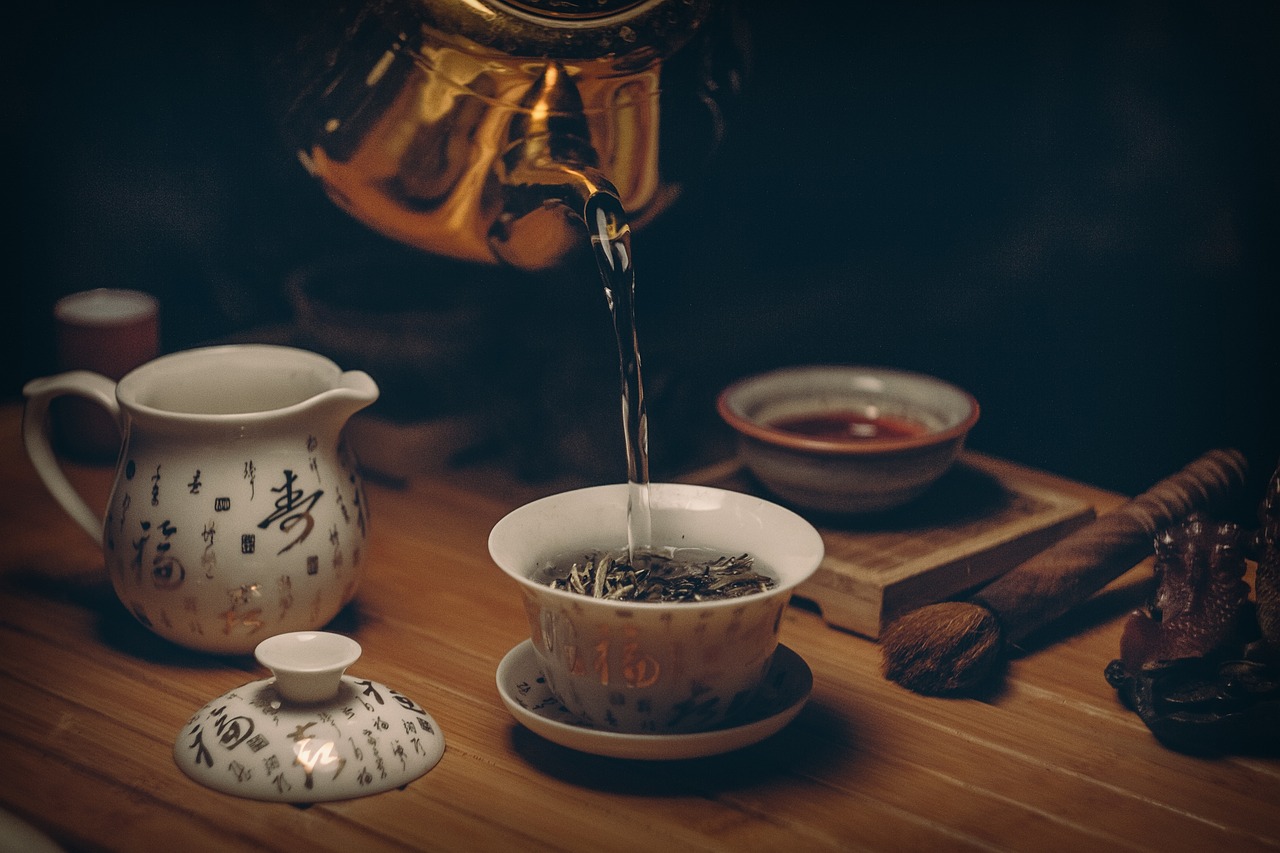
Pouring tea into mugs from a teapot

Like any tea, a herb can be dried, cured, or fresh, and you pour hot water over it to let it steep. As it steeps, the beneficial compounds and nutrients in tea are extracted, along with the flavour, creating a warming drink with added benefits. For example, mint tea contains menthol, which eases the stomach and helps reduce IBS issues. Tea has been enjoyed since at least 2773 BC.

Cacao shell tea has been enjoyed as far back as then, too, and was used by the Aztecs and Maya. Cacao shell tea is tea made from the dried outer shell of a cacao bean.

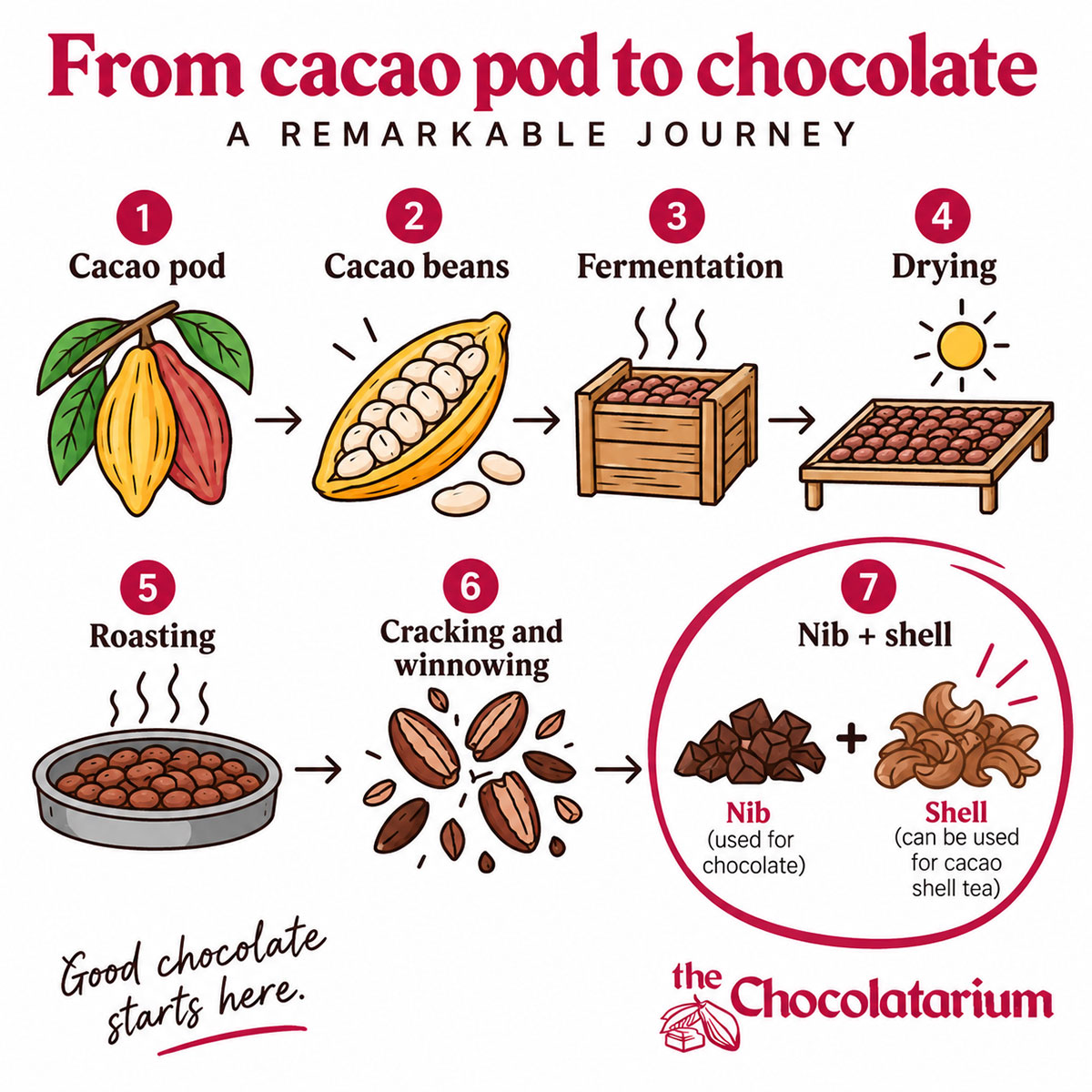
This shell is separated from the bean during a process called winnowing and removed before the bean is turned into chocolate. In the past, people threw this cocoa husk away, but now there’s high demand for it as a tea. Cacao shell is edible, but it doesn’t taste the greatest when eaten, and it won’t grind down to make chocolate.

When we’ve separated the shell, we can use it as a tea by steeping it in hot water.

Fun Fact: The very first First Lady of the United States, Martha Washington, was a huge fan of cacao shell tea.

cacao shell tea

What does cacao shell tea taste like?

Cacao shell tea has a surprisingly delicate flavour. The aroma is distinctly chocolatey, but the drink itself is much lighter than hot chocolate. Depending on the cacao shells and how long you brew them, you may notice subtle cocoa, fruity, earthy or slightly nutty notes.

There’s no milk or melted chocolate involved, so don’t expect a rich, sweet drink. Think of it more like a light herbal tea with a wonderful chocolate aroma.

Is cacao shell tea the same as hot chocolate?

No. Although both drinks come from cacao, they’re made from different parts.

Hot chocolate is made using chocolate or cocoa powder, while cacao shell tea is made by steeping the outer shells of roasted cacao beans in hot water.

The result is very different. Hot chocolate is rich, creamy and usually sweetened. Cacao shell tea is much lighter, with a subtle chocolate flavour and aroma.

What is in cacao shell tea?

Do cacao shells contain caffeine?

A woman sleeping in her bed

Cacao shells naturally contain both caffeine and theobromine, two related compounds also found in chocolate.

Research has found around 0.04–0.42 g of caffeine and 0.39–1.83 g of theobromine per 100 g of dried cacao shells. The amount varies depending on factors such as the cacao variety and processing.

Theobromine is the more abundant of the two compounds in cacao shells. Although it is related to caffeine, it has a much weaker effect on the central nervous system.

Only a small quantity of cacao shells is used to brew a cup of tea, and not all of these compounds will necessarily transfer into the water. For that reason, figures for dried cacao shells can’t be used to say exactly how much caffeine or theobromine will be in your finished cup (source).

Health Benefits of Cacao Shell Tea

What is theobromine?

Theobromine is a naturally occurring compound found in cacao and chocolate. Despite its name, it doesn’t contain bromine. It belongs to the same family of compounds as caffeine, although its stimulating effect on the central nervous system is much weaker.

Cacao shells contain considerably more theobromine than caffeine. Research has found 0.39–1.83 g of theobromine per 100 g of dried cacao shells, compared with 0.04–0.42 g of caffeine.

Theobromine also contributes to cacao’s characteristic slightly bitter taste. The amount that ends up in a cup of cacao shell tea will depend on how much shell is used and how the tea is brewed, so the figures for dried shells don’t tell us exactly how much is present in the finished drink.

Antioxidants (Flavanols) in cacao shells

Muscular man flexing

Antioxidants are important for a healthy body, as they balance out free radicals in your body. Free radicals cause oxidative stress on cells, leading to cell damage and increasing ageing. When you consume antioxidants, you can protect your cells. However, having too many antioxidants can also be dangerous and cause actual cell damage. Try to balance your antioxidant levels, which cacao shell tea can aid with if your diet is low in them.

Vitamins and minerals in cacao shells

A selection healthy ingredients, pepper, onion, oil

Cacao husks have a robust nutrient and mineral-rich profile that helps with many of the body’s functions. Husks are rich in B vitamins (essential for turning food into energy, forming red blood cells, helping repair DNA and are important for brain and nerve function) and Vitamin A (important for eyesight, keeping skin healthy, and is important in building the immune system).

Magnesium (essential for heart and bone health, as well as nerve and muscle function), manganese (helps form bones and teeth, aids blood clotting and wound healing), iron (essential for cognitive function, a strong immune system and energy levels), calcium (important in bone health, muscle contraction, blood flow and nerve signals) and other trace minerals are also found in cacao shell tea.

If you’re interested in the science, check out this article in the National Library of Medicine.

How to Brew Cacao Shell Tea

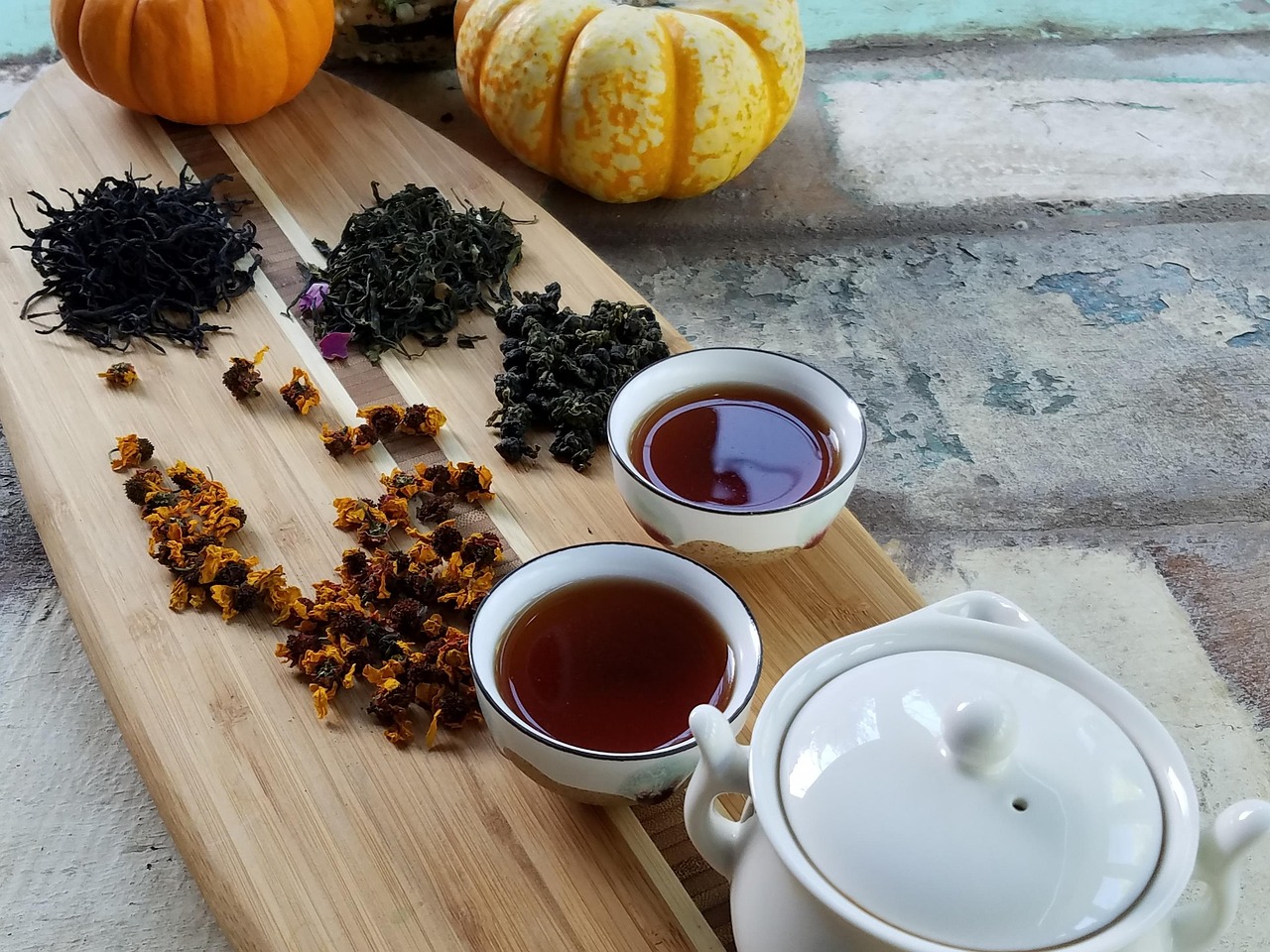
tea and other ingredients
  • Use around one teaspoon of cacao shells per person.
  • Add the shells to a teapot or infuser.
  • Pour over freshly boiled water.
  • Steep for 2 to 5 minutes.
  • Leave longer for a stronger chocolate aroma and flavour.
  • Drink as it is, or experiment with cinnamon, vanilla or other spices.

Cacao shell tea has a slightly chocolatey taste to it, with more of a green tea profile overall. The smell is heavenly, like melted chocolate, and this alone can bring a comforting smile to your face.

What can you add to cacao shell tea?

Add vanilla, cinnamon and other spices to enhance the flavour and build on the light chocolate taste. Enjoy morning, noon and night. And why not pair the tea with a chocolatey treat or even other sweet desserts? Its light taste works well with many types of food.

A sustainable use for cacao shells

Cacao shells are a natural by-product of chocolate making. Once the roasted cacao beans are cracked, the lighter outer shells are separated from the cacao nibs during a process called winnowing.

Rather than discarding the shells, they can be given another use. Brewing them into cacao shell tea is one delicious example of how more of the cacao bean can be enjoyed while reducing waste from the chocolate-making process.

Find out more about how The Chocolatarium reduces, reuses and recycles.

Discover how cacao becomes chocolate

Cacao shells are just one part of the journey from cacao pod to chocolate bar. Discover what happens to the beans through fermentation, drying, roasting, winnowing, grinding and tempering in our guide to how chocolate is made.
How to Taste Chocolate Like a Pro
Cacao Shell Tea A Hidden Gem for Chocolate Lovers and Wellness Enthusiasts
Coffee and Chocolate The Perfect Pairing in Every Bite
Best work Christmas party ideas in Edinburgh
Chocolate myths and facts What is actually true
Top 8 Autumn Chocolate Flavours — From Cinnamon to Maple
Team building ideas in Edinburgh for small teams
Dog chocolate treats Can dogs really eat chocolate
Scottish Foods & Drinks you should try
Where to Eat at the Edinburgh Fringe 2026