Plastic is everywhere. We use it countless times throughout our day, and while its sturdiness and cheap production costs make it a great material to construct things out of, plastic is presenting a huge problem for people and the planet.
At The Chocolatarium, we consider every piece of plastic we use and ensure we’ve considered the implications and if better alternatives are available. Let’s go through how we try our best to reduce our plastic waste and reduce, reuse and recycle what we already use.
The Problems With Plastic
Plastic has been one of humanity’s greatest inventions. Created via refining fossil fuels such as oil and gas as far back as 1862, but really becoming mainstream in 1907 (via completely synthetic plastic) with Bakelite. Plastic is cheap to produce and strong, with plastic taking centuries to fully break down.
This is fantastic news for many reasons. Creating a material that is durable and flexible has advanced all areas of human technology and science, but has led to an overreliance on plastic. Over the past few decades, the impacts of this have begun to be realised.
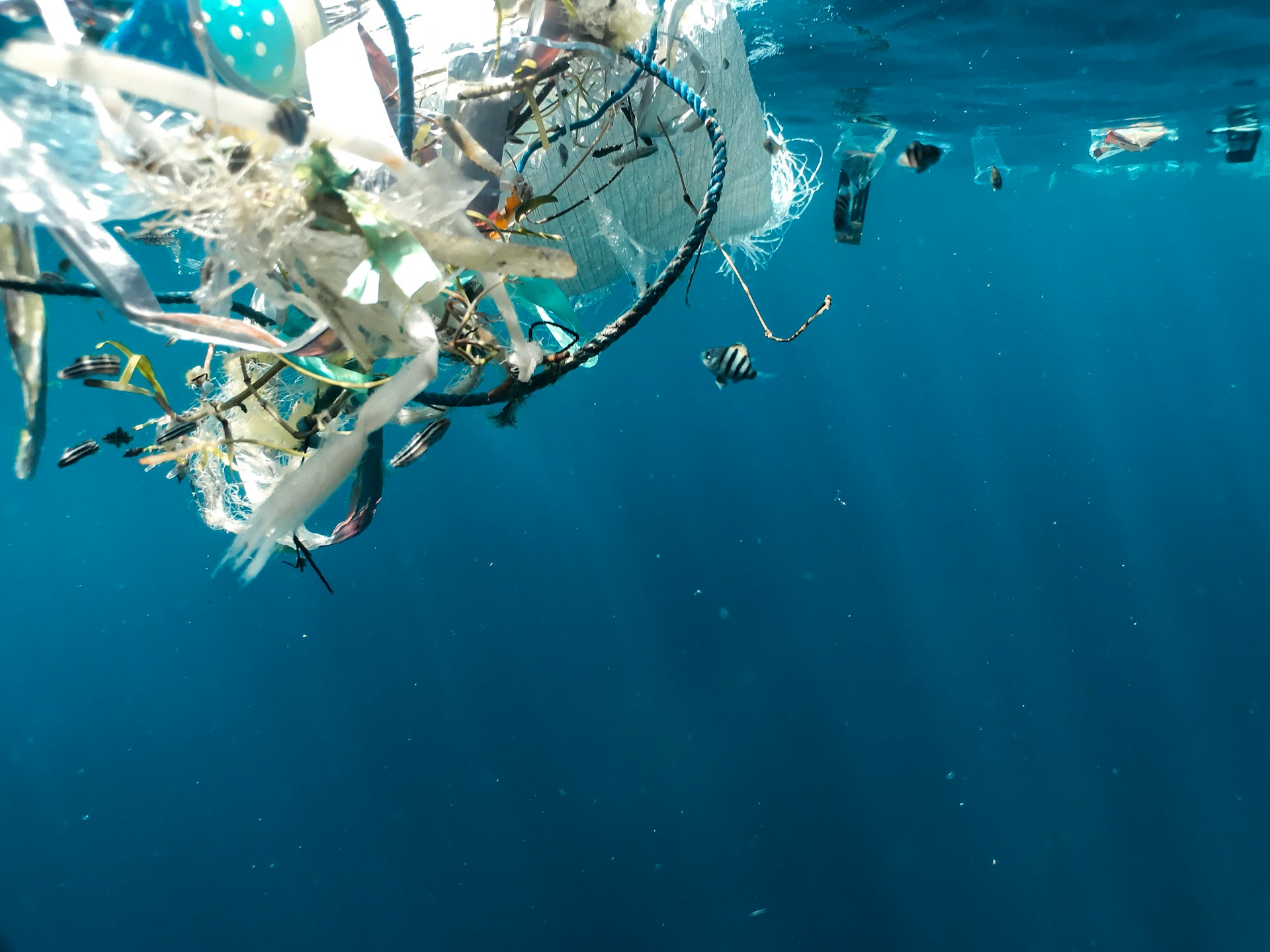
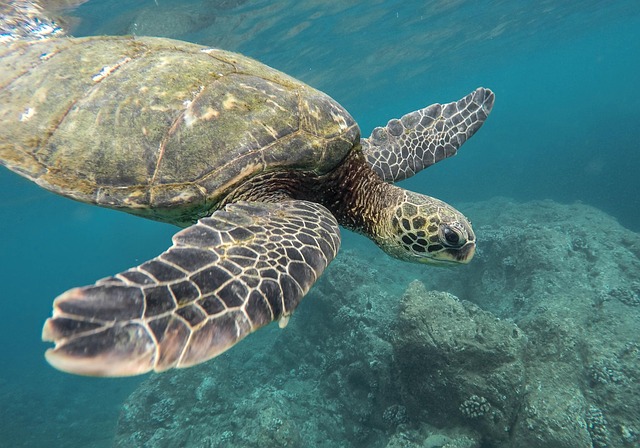
Single-use plastics, such as plastic bags, cups, knives and forks, are disposed of, with many of these ending up in the natural environment and oceans. This wreaks havoc with ecosystems, with animals consuming and dying of choking on plastic, or entangling themselves.
Shockingly, a plastic bag is only used for an average of 12 minutes before it is discarded. As plastic decomposes, it releases chemicals into soil and water, polluting the area, and microplastics have become a major concern in our food supply and the effects this is having on our health and bodies.
As well as that, plastic production speeds up climate change due to the extraction of crude oils needed in its creation.
How Does The Chocolatarium Tackle Plastic?
Plastic is extremely useful, and in many ways, we use it on a daily basis in The Chocolatarium. However, as with many food and drink establishments, to prevent cross-contamination and ensure hygiene, when food has touched certain surfaces, items must be discarded. We face this issue, but have decided to use cardboard and paper replacements wherever possible to reduce our plastic waste output.
During our tours, we give samples in paper or cardboard cups, with paper being a renewable material with far reduced effects on the environment. Paper decomposes quickly and doesn’t pose as large a choking threat to animals as plastic does. Paper doesn’t leach chemicals from its waste like plastic, making it safer for people to use when food-related.
We bag up our customers’ shopping with paper bags, and use cardboard in the packaging of our visitor-made chocolate bars. In short, paper is the basis of most of our disposables.
Even our plastic-like packaging for our visitors’ chocolate bars is not plastic. We use a cellulose-based plastic free packaging that is biodegradable while still being transparent and strong. Taking small steps like this allows us to cut way back on our plastic use.
And What About the Chocolates We Sell?
Many of the fantastic chocolate brands we stock use plastic-free packaging. This is a huge consideration for us whenever we are deciding on which chocolate brands we’d like to spotlight, regardless of how they taste.

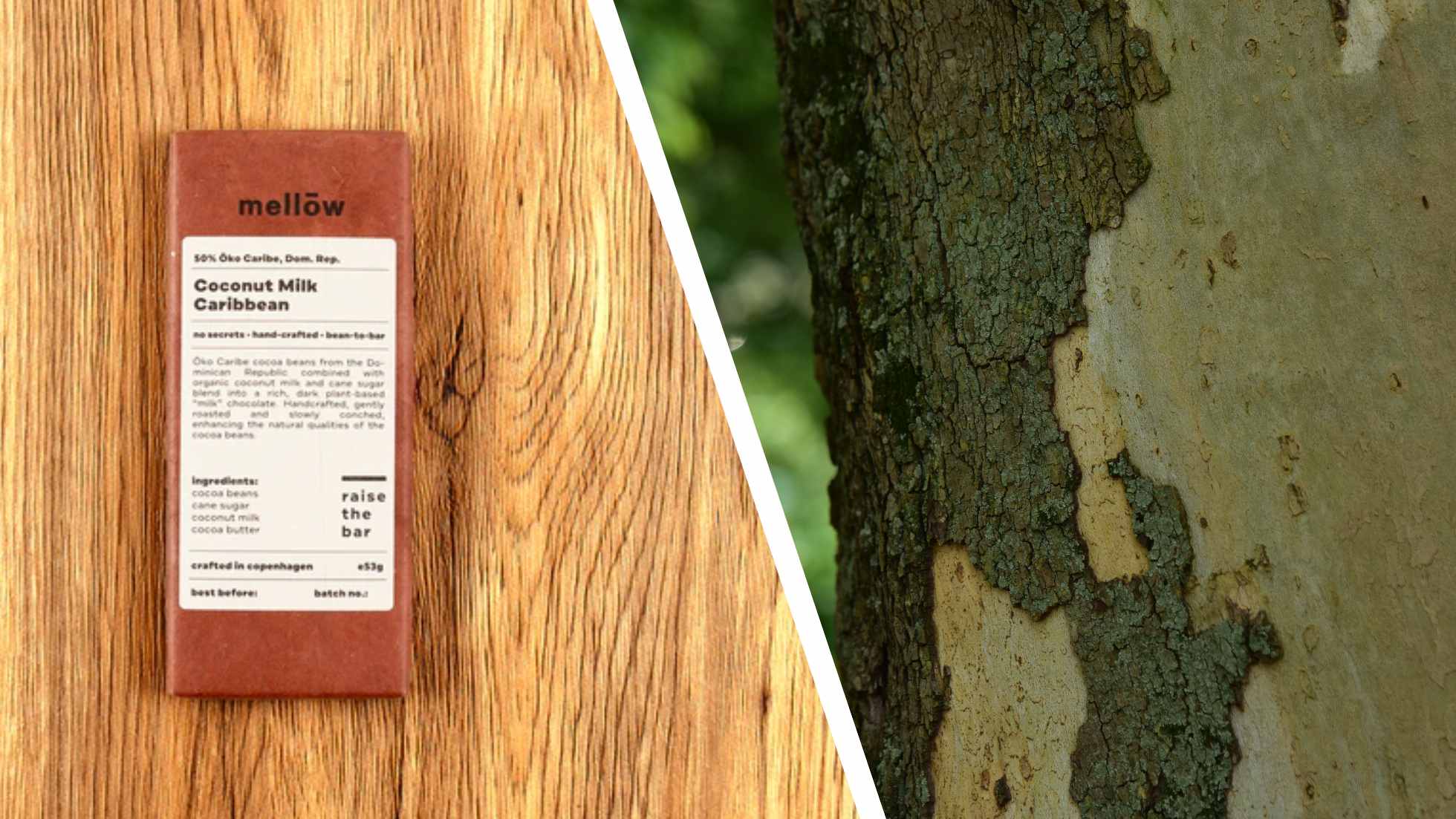
A few worth mentioning include the likes of Copenhagen-based Mellow. Mellow not only makes delicious bars, but all of their packaging is made using Lotka paper. Lotka trees have bark that comes off in sheets, which can be further turned into paper, meaning the tree itself doesn’t need to be cut down in the process. Each paper is coloured using natural dyes and spices.
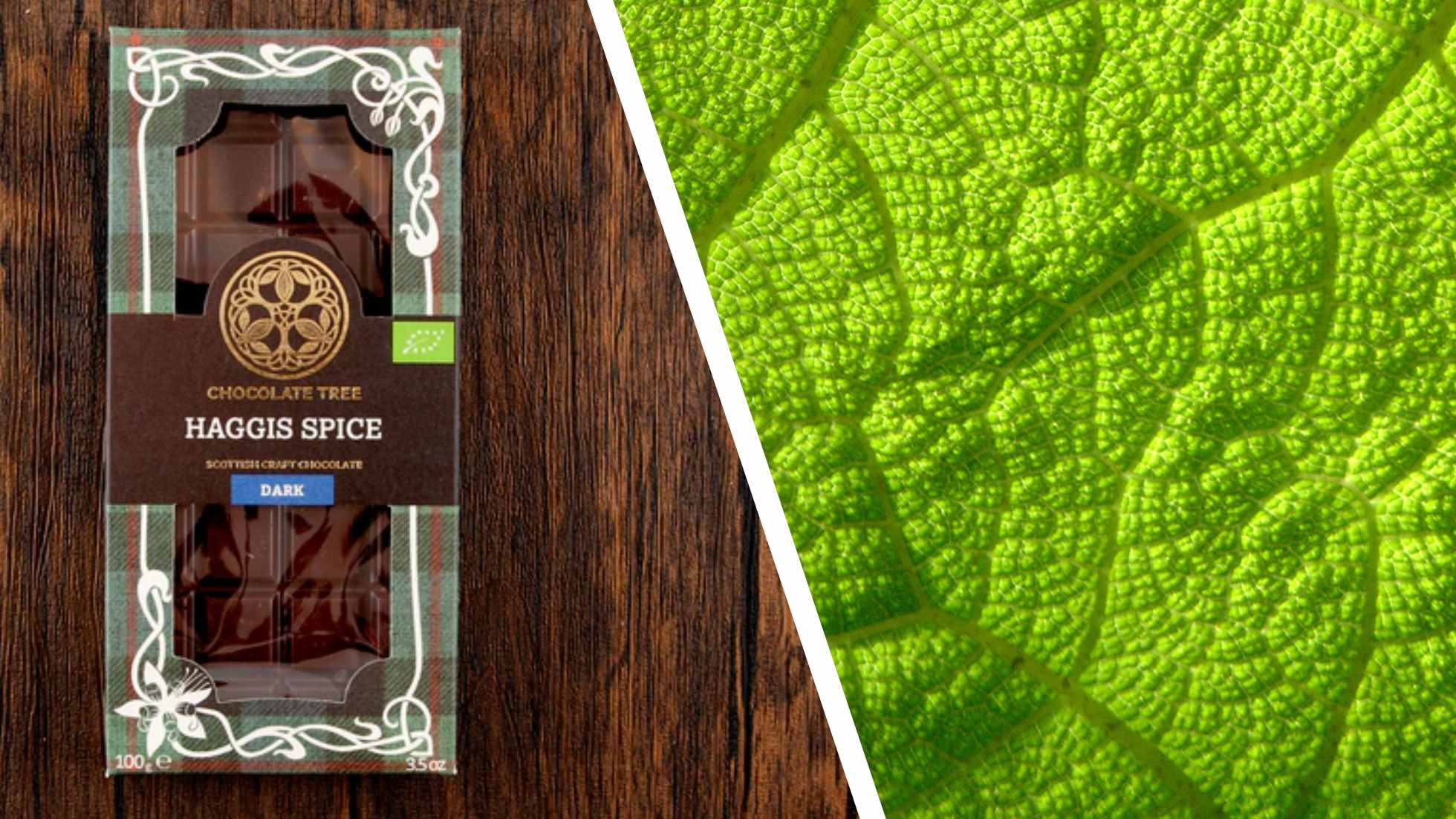
Chocolate Tree uses home-compostable cellulose material in their plastic-substitute, making their packaging beautiful and sustainable.
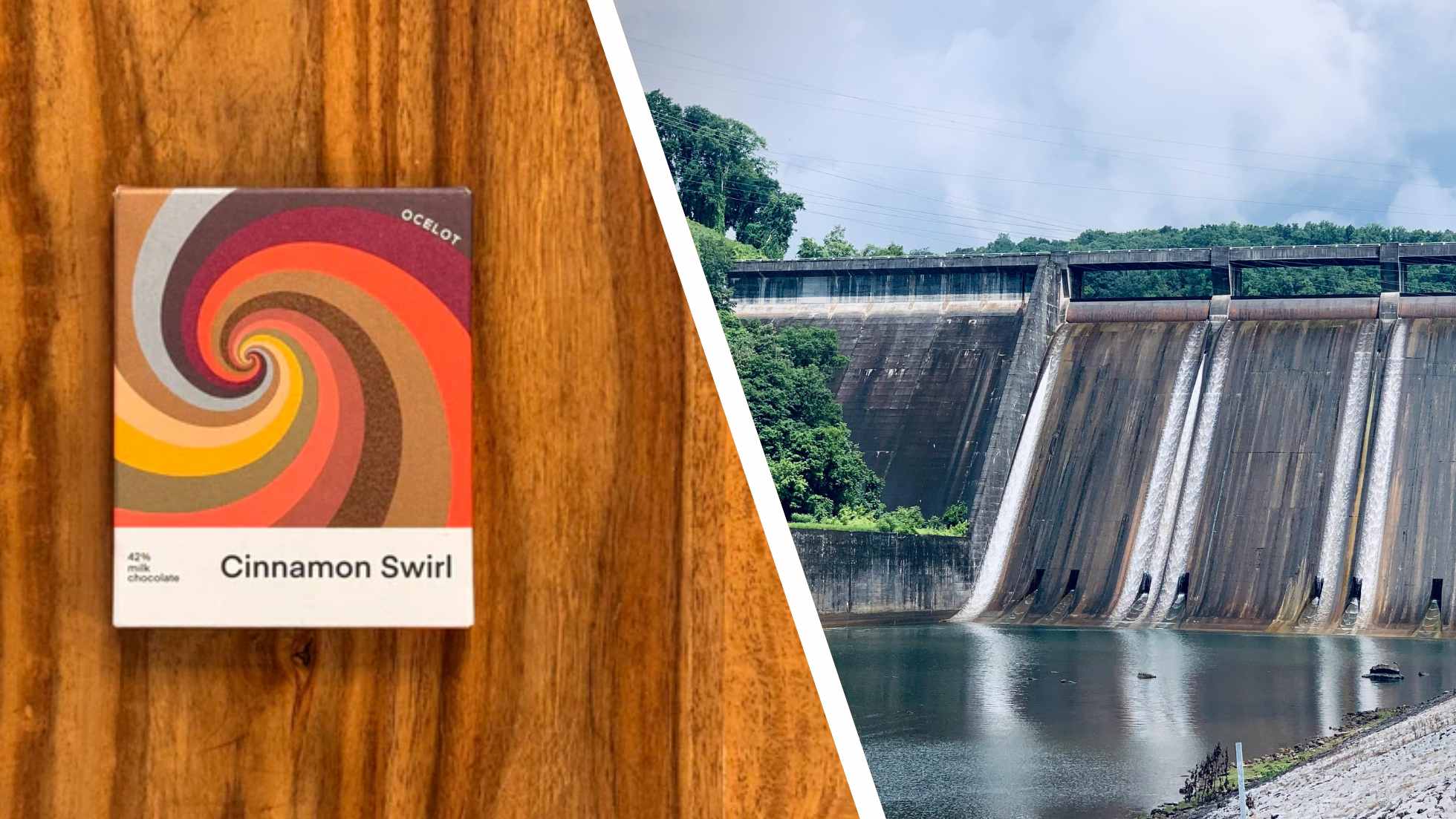
Ocelot, another visitor favourite, uses paper milled from the Swedish Munkendal Mill. Munkendal Mill uses a hydroelectric watermill in the production of its paper, making it one of the most environmentally-friendly paper mills in the world.
While these examples are great, it’s not always possible to choose chocolate makers who don’t use plastic. Plastic is still the most cost-effective way of packaging chocolate, and while advancements are being made and costs cut in the friendly constantly, we aim to keep highlighting brands that we love, even as they make themselves more and more sustainable.