Open daily | Book in advance to secure your place
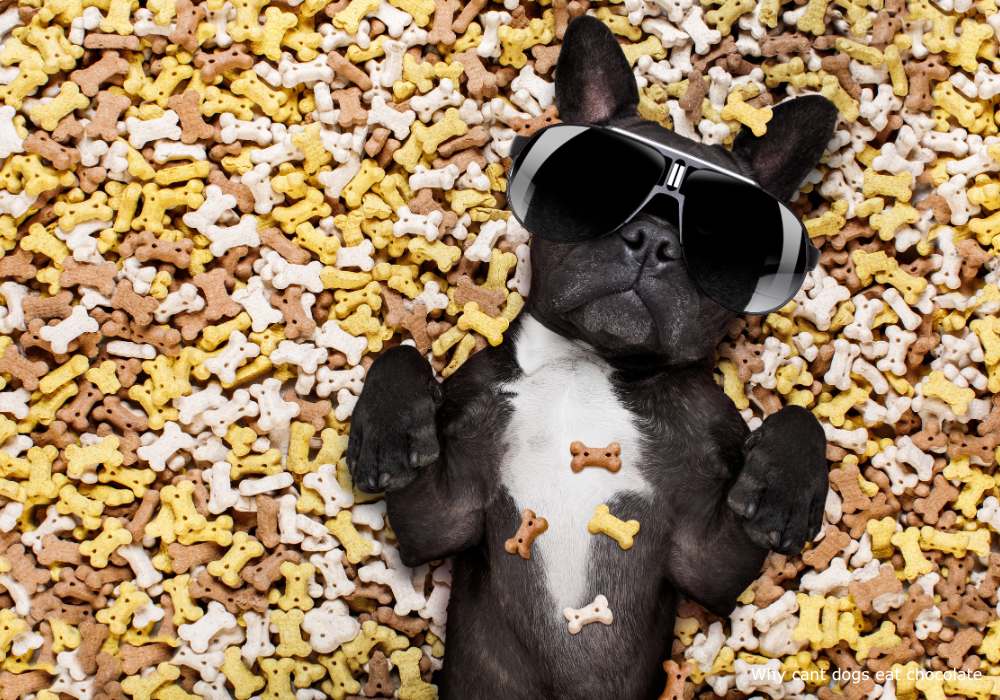
If you have a dog, you’ll probably already know that chocolate is one of those foods you’re supposed to keep well out of reach.
But then you walk into a pet shop and see bags of doggy chocolate drops, chocolate-style buttons and treats that look remarkably like the real thing.
So how does that work? Can dogs eat some types of chocolate? And what exactly is “dog chocolate”?
The answer is quite simple: dog chocolate isn’t really chocolate at all.

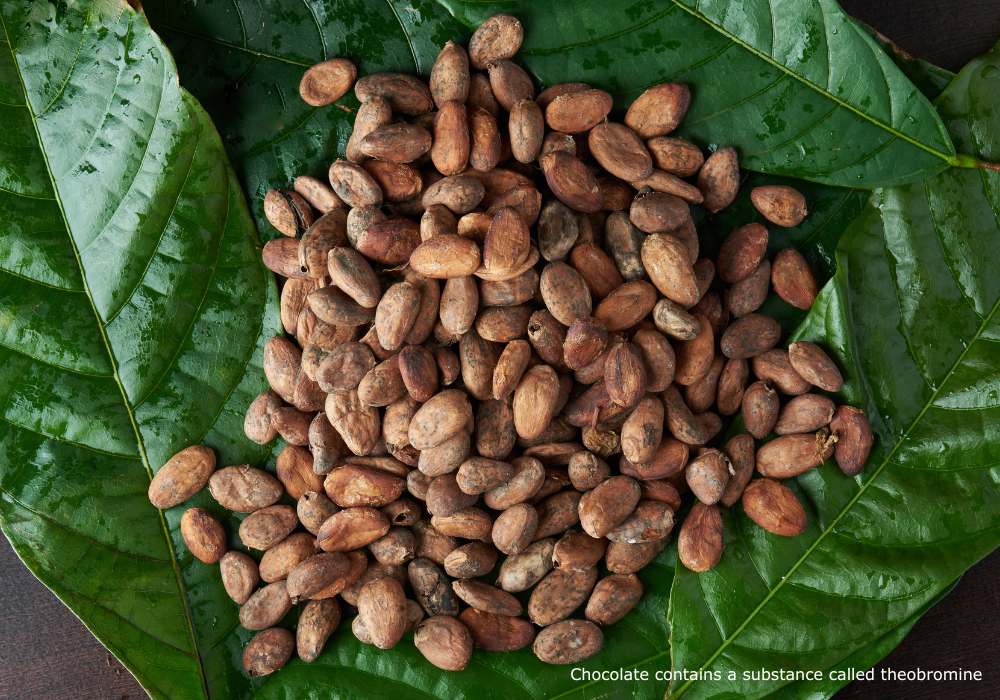
Chocolate contains a substance called theobromine, which occurs naturally in cocoa beans. Humans can process theobromine fairly efficiently, but dogs process it much more slowly. This means it can build up in their system and become toxic.
Chocolate also contains caffeine, which can cause additional problems for dogs.
The amount of theobromine varies by chocolate type. Generally, the higher the cocoa content, the greater the potential danger. Cocoa powder and dark chocolate contain particularly high concentrations, while milk chocolate contains less.
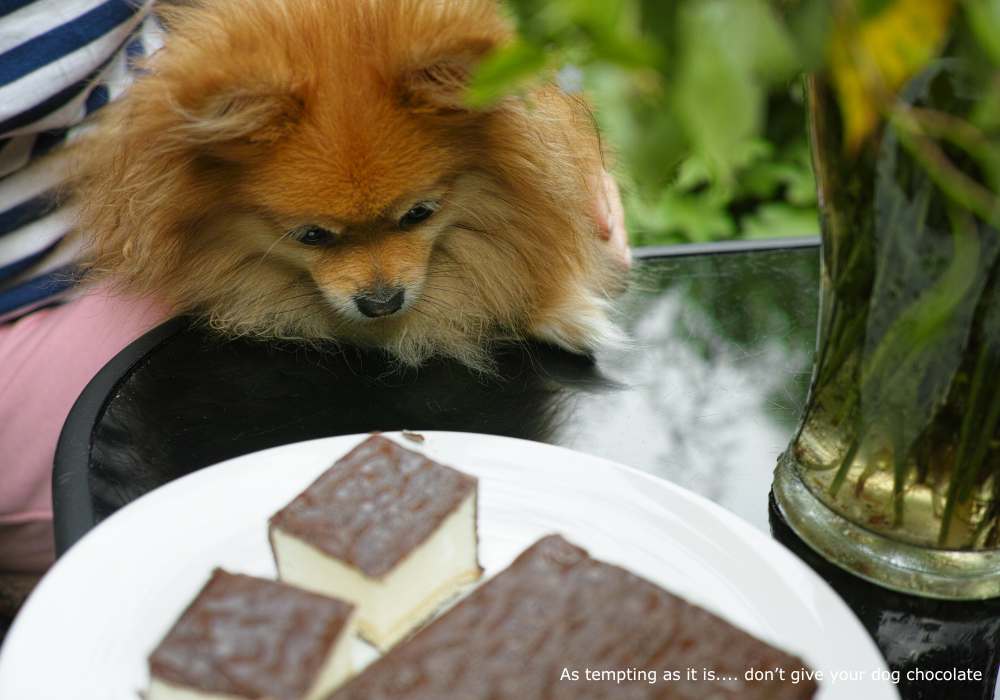
That doesn’t mean milk chocolate is safe for dogs. Dogs shouldn’t be given any real chocolate as a treat.
Chocolate poisoning can cause symptoms including vomiting, diarrhoea, restlessness, increased heart rate, tremors and, in serious cases, seizures.
If a dog eats chocolate, the effects can vary depending on the type and amount eaten and the dog’s size. Symptoms of chocolate poisoning can include:
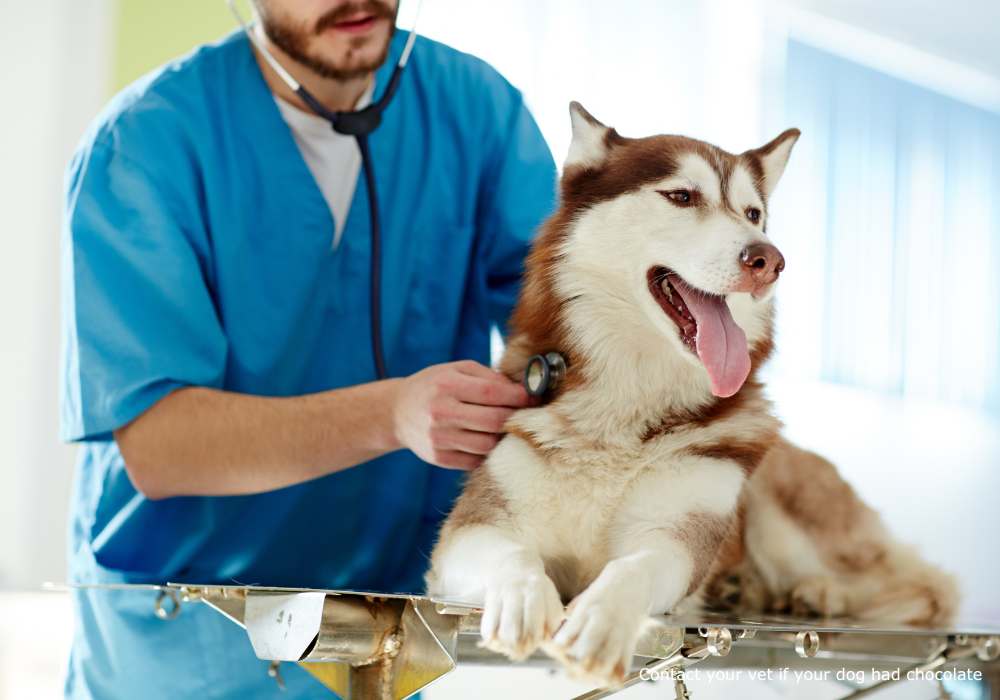
If you know or suspect that your dog has eaten chocolate, don’t wait for symptoms to develop. Contact your vet as soon as possible and, if you can, keep the chocolate packaging so you can tell them exactly what your dog has eaten and approximately how much.
You can find more information about the symptoms and what to do next in Petplan’s guide to dog poisoning.
Products described as dog-friendly chocolate are usually chocolate-style treats made without cocoa. Carob is a popular alternative because it has a naturally sweet flavour and can be used to make treats that resemble chocolate.
You might see carob used in dog-friendly choc drops, buttons, biscuits and other treats. Some are also combined with familiar dog-treat flavours, such as peanut butter.
Dog-friendly chocolate should still be treated as a treat rather than part of your dog’s everyday food. Always choose a product made specifically for dogs and follow the feeding guide on the packet, particularly if your dog has a sensitive stomach.


Those little brown buttons sold as dog treats might look like chocolate, but they’re normally made using ingredients that don’t contain cocoa.
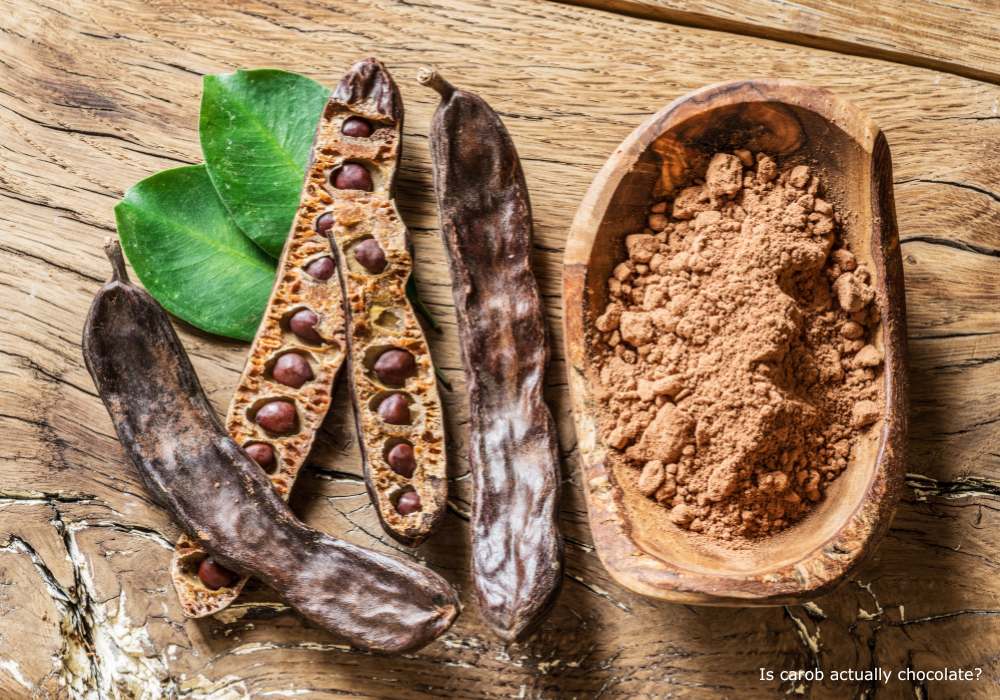
One of the most interesting alternatives is carob.
Carob comes from the pods of the carob tree, Ceratonia siliqua, which grows naturally around the Mediterranean. The pods are dried and roasted before being ground into a powder.
The result is brown and naturally sweet, and can be used to make products that look remarkably similar to chocolate.
But there’s one important difference.
Carob doesn’t contain theobromine, which is found in cocoa.
That’s why you’ll sometimes find carob used in chocolate-style treats made specifically for dogs.

No.
Although carob and chocolate can look similar, they come from completely different plants.
Chocolate starts life inside the fruit of the cacao tree. The cocoa beans are fermented, dried and roasted before eventually being transformed into the chocolate we know and love.
Carob comes from a completely different tree and is made from its pods.
They don’t taste exactly the same either. Cocoa naturally has quite a bitter flavour, which is one reason sugar is added to many chocolates. Carob is naturally sweeter and has its own distinctive flavour.
So, calling carob “dog chocolate” is just a convenient way to describe how the finished treat looks.
| Chocolate | Carob | |
|---|---|---|
| Made from | Cocoa beans | Carob pods |
| Contains theobromine | Yes | No |
| Contains caffeine | Yes | No |
| Naturally sweet | No | Yes |
| Suitable as a dog treat | No | Used as an ingredient in some dog treats |
Of course, that doesn’t mean every product containing carob should automatically be fed to your dog. A treat made specifically for dogs is very different from simply giving them a human carob product. Other ingredients matter too.

This is where things can get confusing.
White chocolate doesn’t contain cocoa solids in the same way as milk or dark chocolate, so it contains much lower levels of the substances associated with chocolate poisoning.
That doesn’t make it a good dog treat.
White chocolate is still a human confectionery product that’s typically high in fat and sugar. If you want to give your dog something special, stick to treats made specifically for dogs rather than experimenting with different types of human chocolate.
Dogs can be remarkably inventive when there’s food involved. A box left on a table or an unattended chocolate bar can disappear surprisingly quickly.
If your dog has eaten real chocolate, contact your vet for advice rather than waiting to see if they become unwell.
If possible, keep the wrapper or packaging. Your vet will want to know what type of chocolate your dog ate, approximately how much they ate, when it happened and the size or weight of your dog.
The risk isn’t the same in every situation. A small dog eating a large quantity of dark chocolate, for example, is a very different situation from a large dog stealing a tiny piece of milk chocolate. Your vet can properly assess the circumstances.

Sadly not.
However much your dog looks at you as though they’ve been cruelly excluded from the best treat on earth, real chocolate is one experience they need to miss out on.
If you’d like them to have their own treat while you enjoy yours, choose something made specifically for dogs. You may even find a carob treat that looks remarkably similar.
Just remember the important distinction: if it’s real chocolate, it’s for the humans.
And perhaps that’s not such a bad thing. It means there’s no need to share.
If you want to let your dog join in while you enjoy the real thing, there are plenty of chocolate-style treats made especially for dogs. UK retailers including Moochin’ Pooch, Pawfect Luna and Afternoon Paws sell carob-based treats, from chocolate-style drops to a rather impressive dog-friendly “hot chocolate”.
Just remember to check that anything you buy is specifically made for dogs: the chocolate in your own cupboard is still strictly off the menu.
As with any food or treats you buy for your pets, check the ingredients and make sure the product is specifically made for dogs. The chocolate in your own cupboard is still strictly off the menu.