Open daily | Book in advance to secure your place
Chocolate is one of life’s little pleasures, but if you’re avoiding gluten, you might be wondering whether it’s safe to eat.
The good news is that pure chocolate is naturally gluten-free. However, not all chocolate products are suitable for people with coeliac disease or gluten intolerance. Some contain ingredients made from wheat or barley, while others may come into contact with gluten during manufacturing.
So, how can you tell which chocolate is gluten-free? Let’s explore what goes into chocolate, which ingredients to watch out for and how to enjoy your favourite treats with confidence.

Yes! Chocolate in its purest form is naturally gluten-free.
Chocolate is made from cocoa beans, which don’t contain gluten. The main ingredients used to make traditional chocolate are:
None of these ingredients contains gluten.
However, chocolate manufacturers often add other ingredients to create different flavours and textures. That is where gluten can sometimes sneak into your favourite chocolate bar.
Whether you prefer dark, milk or white chocolate, you’ll be pleased to know that all three can be gluten-free.
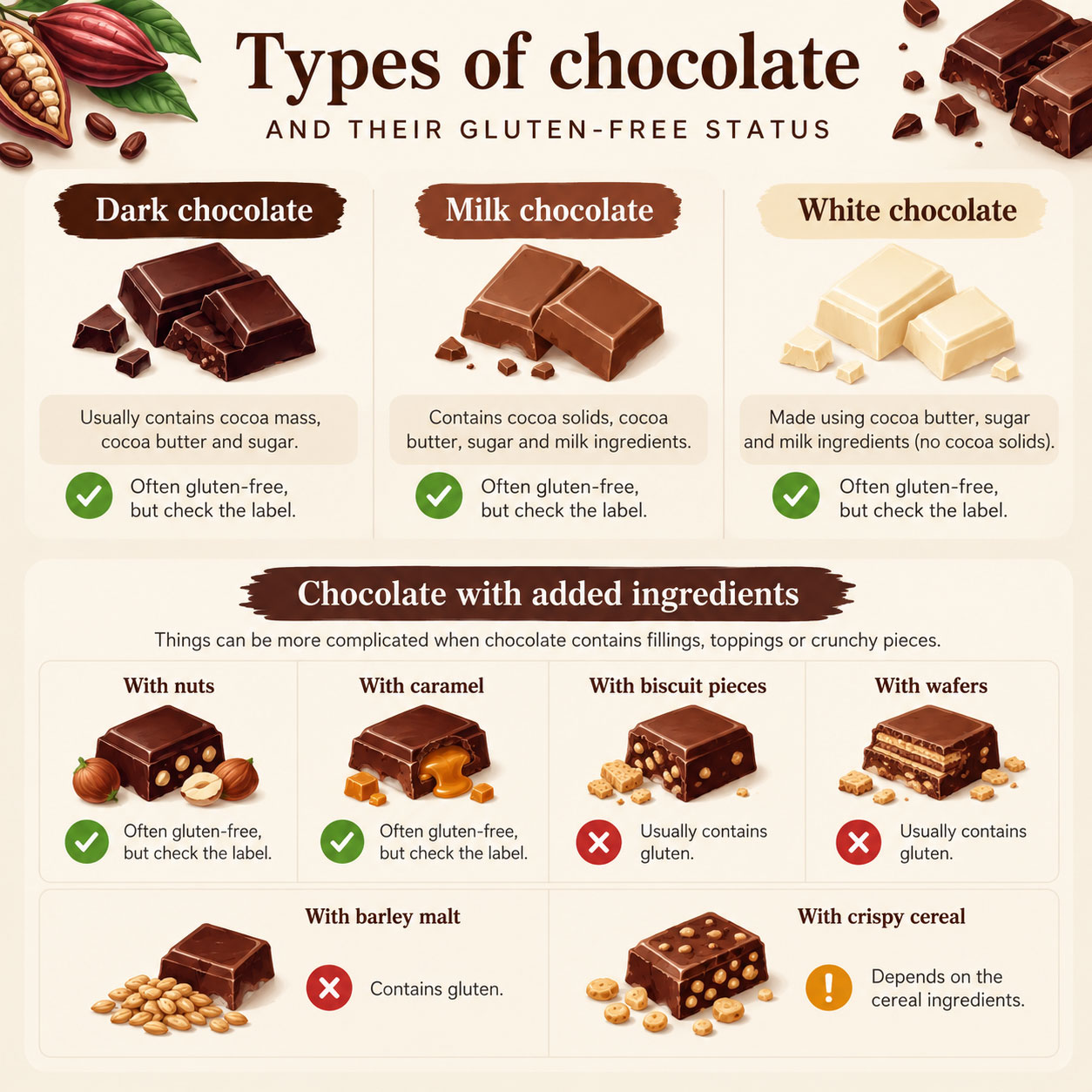
Dark chocolate usually contains cocoa mass, cocoa butter and sugar. These ingredients are naturally gluten-free, making plain dark chocolate a good option to investigate if you’re avoiding gluten.
However, some dark chocolates contain additional flavourings, fillings or ingredients such as barley malt. Always check the packaging before eating.
Milk chocolate contains cocoa solids, cocoa butter, sugar and milk ingredients, none of which naturally contain gluten.
Many plain milk chocolates are gluten-free, but some brands add ingredients that contain gluten or manufacture their products on equipment also used for biscuits and other wheat-based treats.
Although white chocolate doesn’t contain the dark, non-fat part of the cocoa bean, it is made using cocoa butter, sugar and milk ingredients.
These are naturally gluten-free, so white chocolate can also suit a gluten-free diet.
As with milk and dark chocolate, always check the ingredients and allergen information.
Things become a little more complicated when chocolate contains fillings, toppings or crunchy pieces.
Here are some common examples:
| Chocolate type | Gluten-free? |
|---|---|
| Plain dark chocolate | Often, but check the label |
| Plain milk chocolate | Often, but check the label |
| Plain white chocolate | Often, but check the label |
| Chocolate with nuts | Often, but check the label |
| Chocolate with caramel | Often, but check the label |
| Chocolate with biscuit pieces | Usually contains gluten |
| Chocolate with wafers | Usually contains gluten |
| Chocolate with barley malt | Usually not suitable unless labelled gluten-free |
| Chocolate with crispy cereal | Depends on the cereal ingredients |
The safest approach is to check each product rather than assume that a particular type of chocolate is gluten-free.

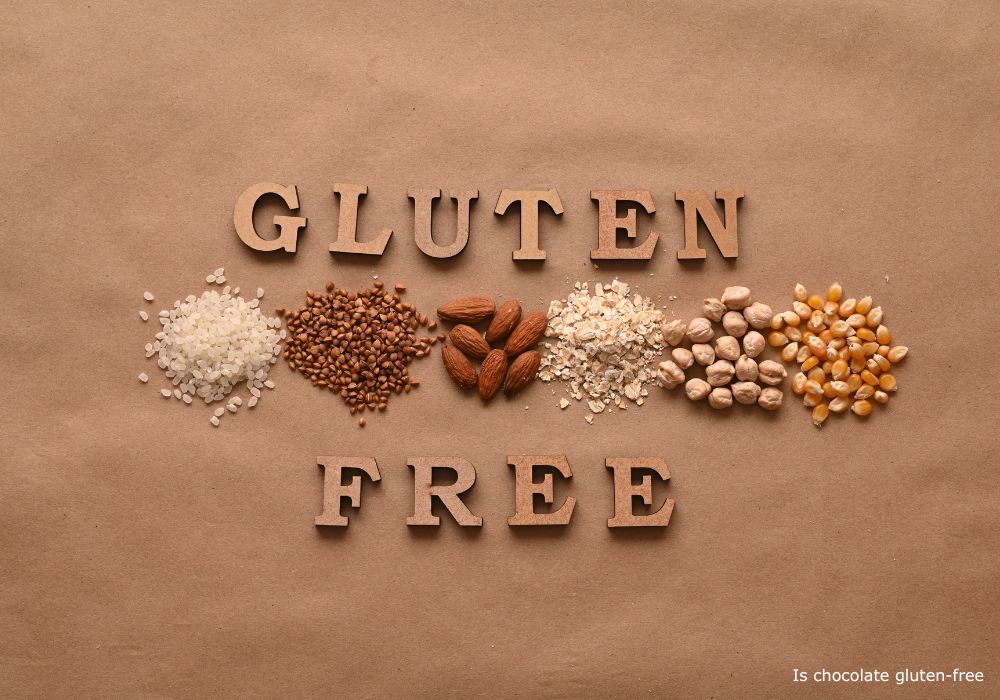
If you’re avoiding gluten, knowing what to look for on a chocolate label makes shopping much easier.
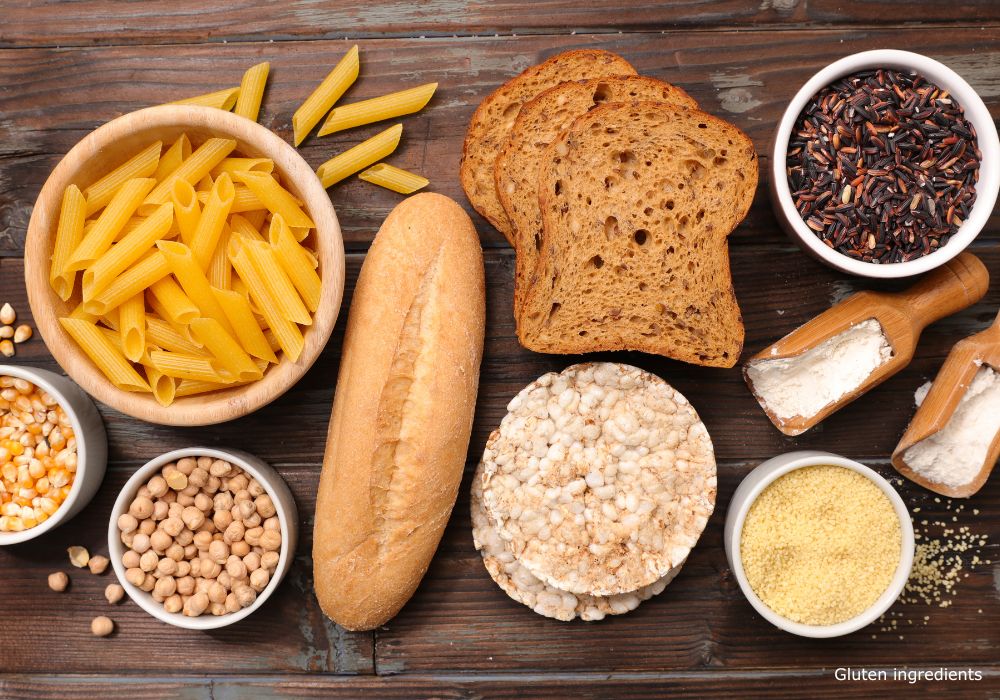
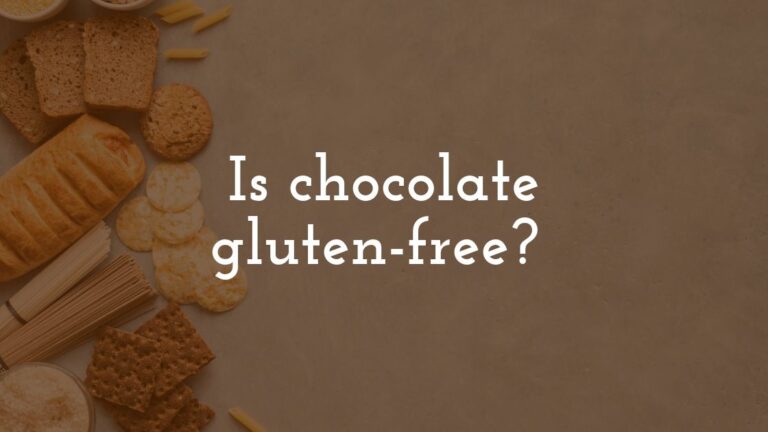
Gluten is a protein found in wheat, barley and rye. These grains sometimes appear in chocolate products, particularly those with biscuit, wafer, or cereal-based fillings.
Ingredients to watch out for include:
You may also come across chocolate containing oats. Oats require special care because they can become contaminated with gluten-containing grains during growing or processing. People with coeliac disease should choose oats specifically labelled gluten-free, although a small number may still react to oats themselves.
In the UK, cereals containing gluten must be emphasised in the ingredients list of prepacked foods, usually in bold or capitals.
Some ingredients made from wheat are processed so thoroughly that the gluten is removed. You may spot these on chocolate labels:
Coeliac UK confirms these ingredients are suitable for people with coeliac disease. They are also exempt from allergen labelling rules, so wheat doesn’t have to be highlighted next to them. Some manufacturers still mention the source, for example “glucose syrup (wheat)”, but this alone doesn’t mean the product contains gluten.
Yes, and this is particularly important for people with coeliac disease.
Even when a chocolate product doesn’t contain any gluten-based ingredients, it may come into contact with gluten during manufacturing.
For example, a chocolate factory might produce plain chocolate bars alongside products containing biscuits or wafers. If the same equipment is used, traces of gluten could potentially transfer between products.
This is known as cross-contact, often called cross-contamination.
You might see warnings on chocolate packaging such as:
These statements indicate a possible risk, although they don’t tell you how much gluten, if any, is present.
If you suffer from coeliac disease, it’s important to take these warnings seriously and follow appropriate dietary guidance. Choosing chocolate clearly labelled as gluten-free is generally the most reassuring option.

People with coeliac disease must follow a strict gluten-free diet, even when eating small treats such as chocolate.
Fortunately, there are some straightforward ways to make safer choices.
In the UK, food labelled gluten-free must contain no more than 20 parts per million (ppm) of gluten.
This is the recognised standard for gluten-free food and offers useful reassurance when choosing chocolate.
Look for wheat, barley, rye and ingredients derived from these grains.
Remember that a product containing no obvious gluten ingredients isn’t necessarily guaranteed to be gluten-free.
Check for statements about possible cross-contact with gluten-containing ingredients.
If you’re unsure whether a chocolate is suitable, contact the manufacturer for clarification.
Manufacturers occasionally change their recipes, suppliers or production methods.
A chocolate that was suitable previously might not always remain so, so it’s worth checking the packaging regularly.

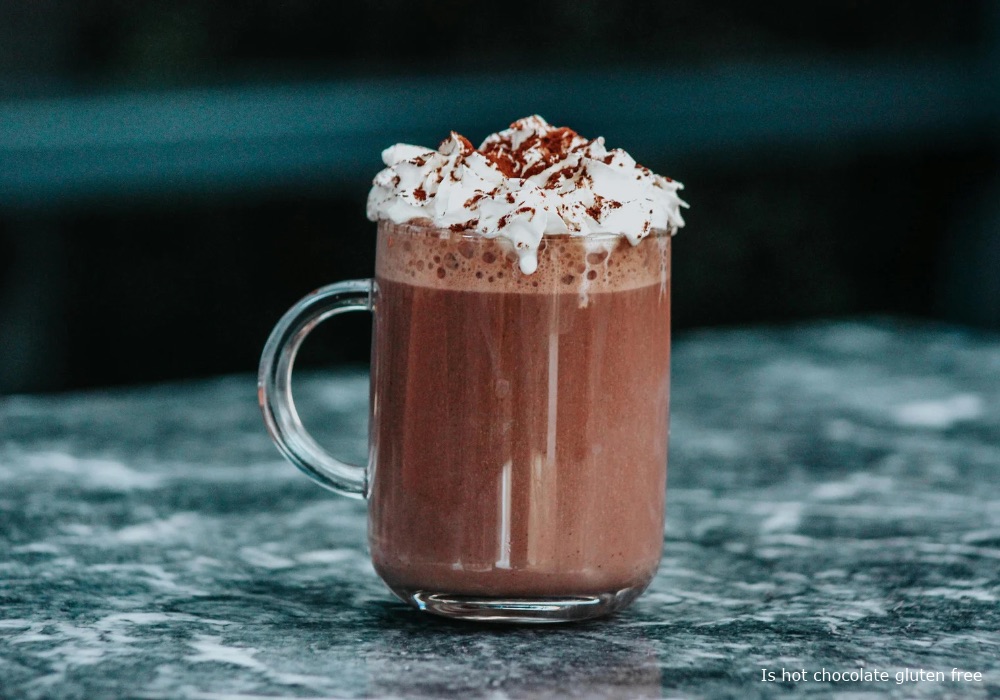
A warming mug of hot chocolate sounds like a simple gluten-free treat, but the answer depends on what goes into it.
Pure cocoa powder is naturally gluten-free. When mixed with milk and sugar, it can make a delicious gluten-free hot chocolate.
However, some instant hot chocolate powders contain additional ingredients, flavourings, or thickeners that you should check.
If you’re buying hot chocolate, look out for:
When ordering hot chocolate in a café, it’s worth asking about both the ingredients and how they prepare your drink.

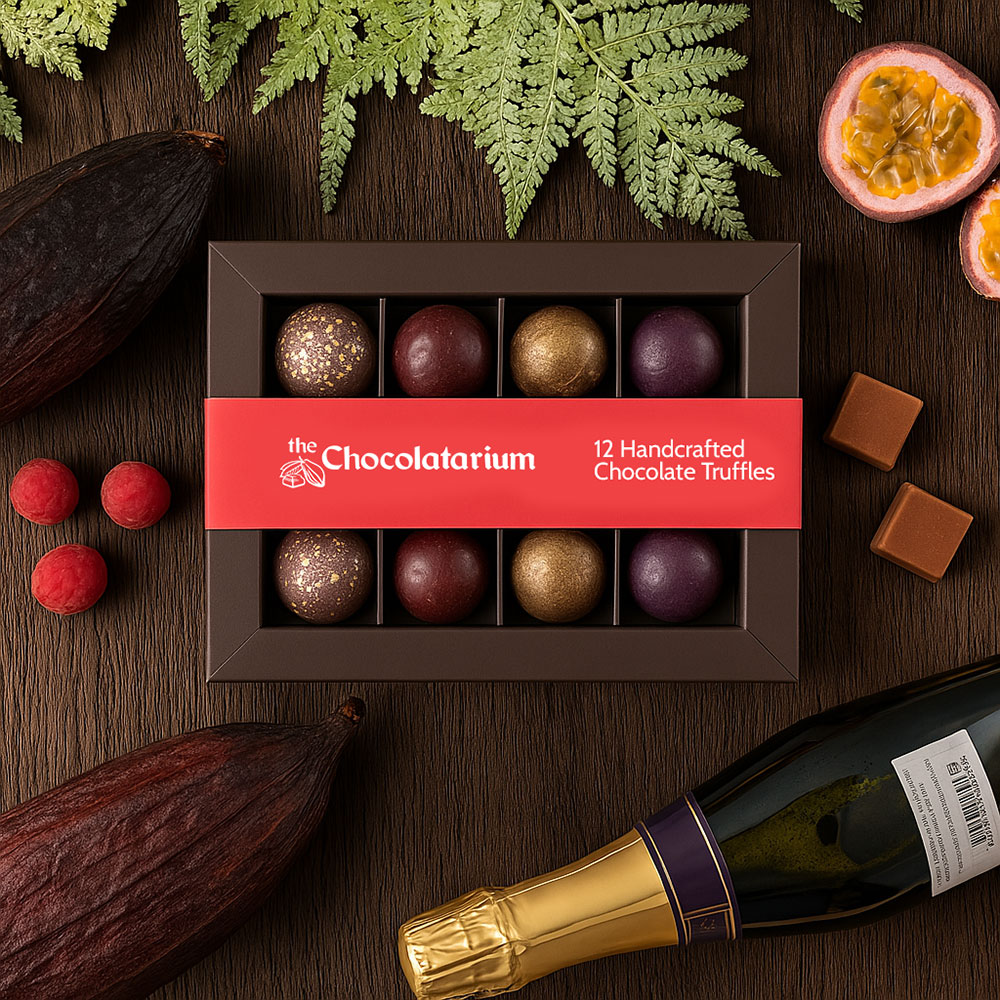
Chocolate truffles, pralines, and filled chocolates can be gluten-free, but it depends on what’s inside.
A traditional chocolate ganache, made using chocolate and cream, can be naturally gluten-free when all the ingredients are suitable.
Other popular fillings may also be gluten-free, including:
However, some filled chocolates contain biscuit crumbs, wafer pieces, cereal or barley malt.
This is why it’s important to check the entire chocolate, not just its outer shell.
Handmade chocolates can vary widely, so don’t hesitate to ask the chocolatier about the ingredients and how the chocolates are prepared.
Not necessarily!
One of the nicest things about chocolate is that its main ingredients are already naturally gluten-free.
Unlike gluten-free bread or cakes, which often require alternative flours and different recipes, plain chocolate usually doesn’t need special ingredients to be gluten-free.
A gluten-free chocolate bar can taste just as rich, smooth and delicious as any other chocolate.
In fact, you may already enjoy chocolates labelled gluten-free without noticing.
The difference often lies in the additional ingredients, manufacturing controls, and checks that help ensure the finished product meets gluten-free standards.

Learning how chocolate is made can be a wonderful experience for anyone who loves chocolate, including people who follow a gluten-free diet.
At The Chocolatarium in Edinburgh, visitors can follow the journey from cocoa bean to chocolate bar, learn about chocolate-making, and create their own chocolate treats.
It’s a chance to explore what goes into chocolate, discover different flavours and gain a greater appreciation of one of the world’s favourite foods.
If you have coeliac disease, gluten intolerance or another dietary requirement, we recommend contacting The Chocolatarium before booking.
Our team can discuss the ingredients used in our experiences and provide information about dietary requirements and any potential cross-contact risks, helping you decide whether the experience suits you.
Being gluten-free doesn’t mean giving up chocolate.
With so many delicious dark, milk and white chocolates available, there’s plenty to enjoy. The secret is understanding the ingredients, checking the labels and choosing products that meet your dietary needs.
Whether you’re treating yourself to a favourite chocolate bar, enjoying a rich hot chocolate or discovering how chocolate is made, a little knowledge can help you make confident choices.
Some Cadbury Dairy Milk products may be suitable for a gluten-free diet, but not every product in the range is.
Varieties containing biscuits, wafers or other gluten-containing ingredients are not suitable. Always check the current packaging and manufacturer information for the specific product you’re buying.
Some Lindt chocolates are gluten-free, while others contain ingredients such as barley malt.
Because ingredients vary across the range, check individual products rather than assume all Lindt chocolate is suitable.
Some Galaxy products may suit people avoiding gluten, but ingredients and manufacturing information can vary between products.
Check the current ingredients, allergen statements and any gluten-free labelling before eating.
White chocolate is made primarily from cocoa butter, sugar and milk ingredients, which are naturally gluten-free.
However, additional ingredients and possible cross-contact mean that not every white chocolate product is suitable for people with coeliac disease.
Absolutely! People with coeliac disease can enjoy chocolate, provided the product is suitable for a strict gluten-free diet.
Look for chocolate labelled gluten-free and check ingredients and allergen information carefully.
Pure, unflavoured cocoa powder is naturally gluten-free because it comes from cocoa beans.
However, cocoa-based drink mixes and flavoured powders may contain additional ingredients, so always check the packaging.
Pure chocolate doesn’t naturally contain wheat.
However, some chocolate products include wheat-based ingredients such as biscuits, wafers and cookie pieces. Wheat may also be a cross-contact risk during manufacturing.